




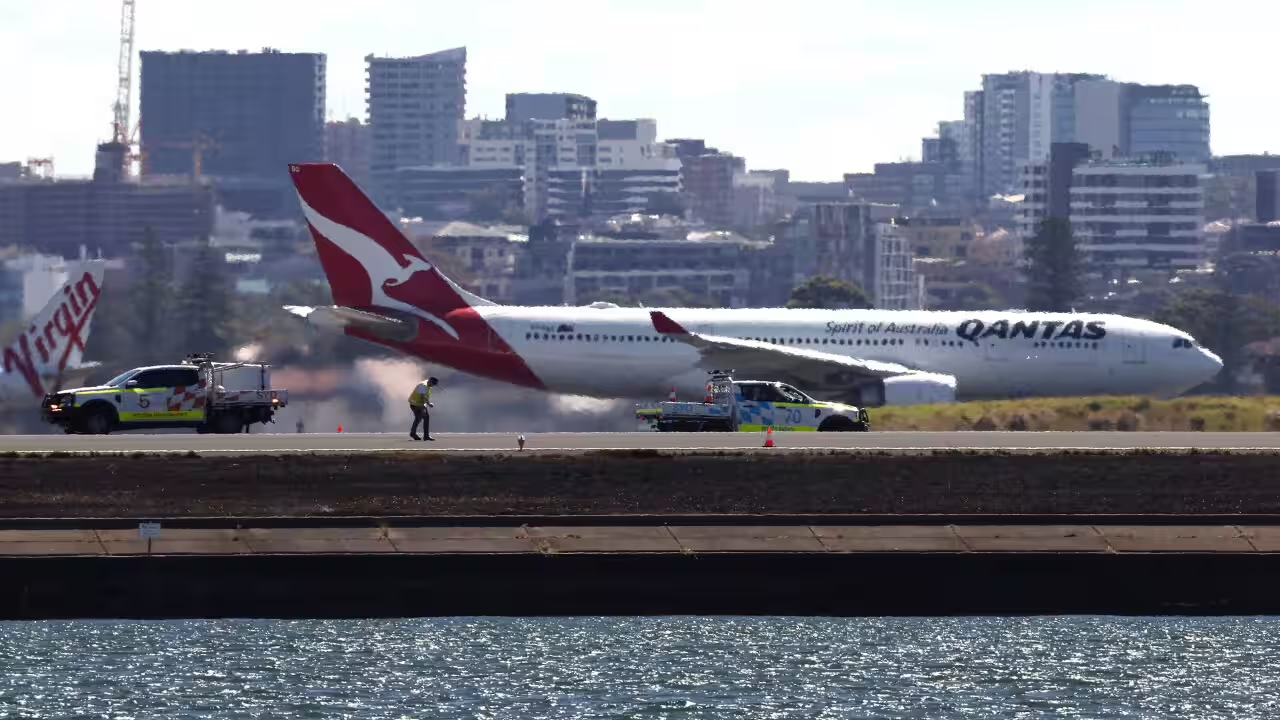
After smoke filled the cabin and the cockpit of a QantasLink flight headed for Canberra, the airline was forced to make an emergency landing in Adelaide, bringing Qantas back into the national limelight. The event has increased scrutiny on the airline’s domestic and regional operations, despite the fact that the crew managed the situation precisely and that no casualties were sustained.
This comprehensive study creates a comprehensive, accurate Australian-English report by combining all confirmed details, expert interpretation, and larger aviation context. It looks at how the crisis developed, why smoke incidents necessitate prompt response, the strain on Australia’s regional routes due to fleet demands, and the broader discussion about Qantas’ present dependability.
What transpired on QF1972 during the emergency landing in Adelaide
Shortly after six in the morning, QantasLink flight QF1972 took off from Adelaide using an Embraer E190 that was furnished under a wet-lease arrangement with Alliance Airlines. Passengers detected a strong electrical odour permeating the forward area of the aircraft within minutes after takeoff. Passengers and personnel became concerned as a faint cloud soon formed over the aisle.
The captain sent a PAN-PAN call, an international signal used for significant but not yet urgent in-flight crises, when the cockpit crew promptly noticed smoke in the flight deck as well. The plane stayed low and made a controlled turn back to Adelaide rather than increasing to cruising altitude.
Firefighters and paramedics greeted the plane once it touched down, inspected the cabin and checked for smoke inhalation. About two hours after landing, passengers were transferred to another plane.
The Emergency Response at Adelaide Airport
Adelaide Airport initiated its emergency reaction procedure as soon as it received the PAN alarm. All active ground movements were stopped, and planes getting ready to take off were told to stay put. Runway clearances were temporarily halted to make sure nothing would get in the way of QF1972’s return flight.
In anticipation of a possible evacuation, fire and rescue personnel set up shop along the runway. Airport rescue personnel prepared movable steps and smoke-assessment equipment in case a quick disembarkation was necessary. Priorities in the airspace were redirected solely to the returning aircraft, guaranteeing it an unhindered approach.
Later, airport officials verified that the plane made a safe landing without any more issues because of the smooth communication between air traffic control, emergency personnel, and the flight crew.
Controlling Air Traffic and Making Decisions in Real Time
Throughout the crises, air traffic controllers were essential. Controllers halted all non-essential transmissions when the crew reported smoke in the cockpit on audio recordings. All clearances were briefly suspended, and nearby aircraft were told to keep their stations.
The gravity was underlined by one announcement made on a different plane that was awaiting departure:
“A plane in the circuit region is experiencing an emergency. Until further notice, no more clearances will be granted.
The airspace surrounding Adelaide was completely accessible to QF1972 thanks to this temporary freeze, which is a common but essential aviation emergency management action.
Politicians on Board: The Reason for Increased Media Attention
At the time of the event, a number of MPs, including Senator Leah Blyth, were on their way to Canberra for party meetings. National attention was heightened by their presence, especially after Senator Blyth openly discussed her experience. She reported the crew’s cool professionalism, a sudden haze in the cabin, and a strong electrical odour.
Her words encapsulated the public’s sentiment without inciting fear:
“That is the most smoke-filled cabin I have ever seen.”
The incident served as a reminder that, even when they are safely addressed, smoking situations frequently cause passengers to have intense emotional reactions.
Experiences of Passengers and Their Emotional Repercussions
Several passengers were startled by the occurrence, despite the fact that no one on board was physically hurt. When smoke suddenly appears, it can cause automatic panic reactions that include breathing problems and vision issues. Following the experience, some travellers reported having trouble sleeping, experiencing anxiety throughout the replacement trip, and having increased heart rates.
Experts in aviation psychology point out that because smoke occurrences are immediate and visceral, they have a greater emotional impact than little mechanical signals like turbulence. Even when passengers realise they were never in imminent danger, the episode remains memorable because smoke arouses their survival instincts.
Investigators Look into the Smoke’s Origin
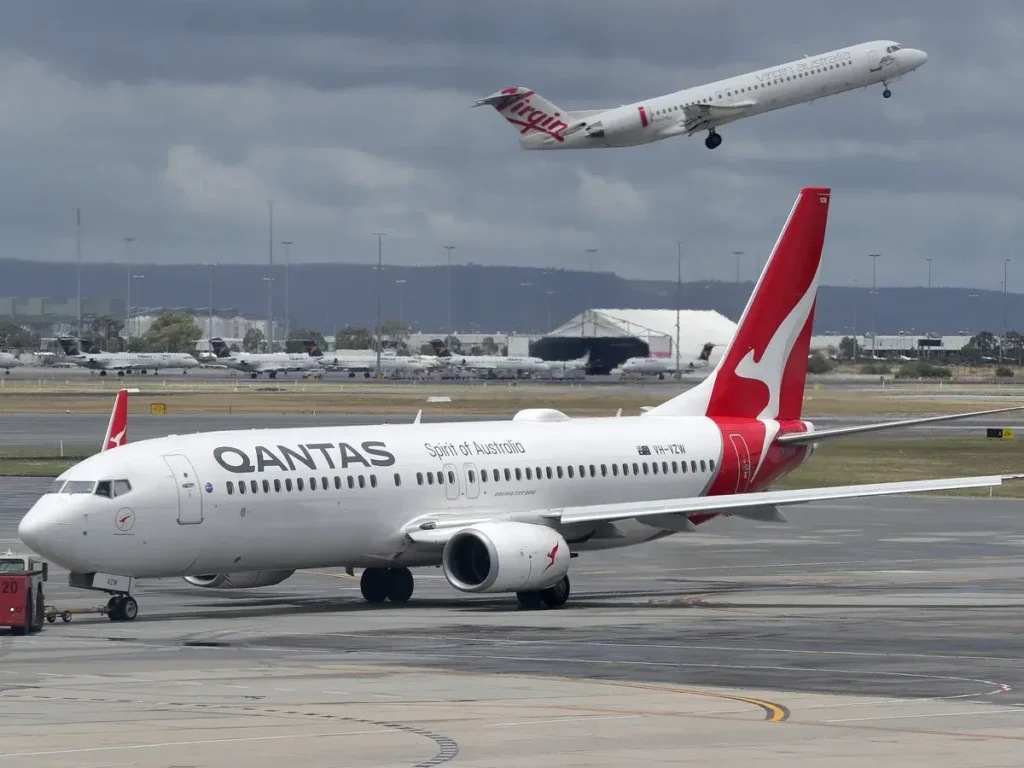
As soon as the aeroplane was dragged off the runway, engineering experts started examining it. Several systems that might emit smoke or electrical smell were found via early analysis:
- Insulation for electrical wiring that may overheat when a component fails
- When cabin recirculation fans malfunction, they are known to release vapour.
- Systems for air conditioning that can emit visible white mist
- Galley heaters that have the potential to burn out and release electrical odours
The flight-deck electronic modules and avionics cooling systems are being extensively inspected because smoke was also seen in the cockpit. To see whether there is a trend, engineers are going over the maintenance logs for this aircraft as well as others in the same fleet.
The second smoke incident in six weeks is not an isolated incident.
The fact that this was the second Qantas incident involving smoke in around six weeks is a major worry for aviation experts. During a regional trip, previous complaints detailed haze and electrical odours inside another aircraft. Repeated smoke incidents over a brief period of time raise concerns about fleet age, component fatigue, and environmental stressors, even though the reasons may vary.
According to some aviation specialists, Australia’s hot environment, heavy regional aircraft usage, and quick turnaround times might all be factors in the country’s higher electrical system wear rates.
Why One of the Most Serious In-Flight Emergencies Is Smoke
In flight, even little amounts of smoke necessitate a quick response. Smoke, in contrast to other technical indicators, can show:
- Increasing electrical problems
- Risk of fire behind wall panels
- Overheating avionics
- Possible exposure to toxins
The crew did not ascend to cruising altitude for this reason. If the situation worsens, staying low enables a speedier fall and landing. Standard safety procedure in smoke incidents is reflected in the crew’s decision to turn around very immediately.
The Embraer E190: A Regional Workhorse with a High Cycle and High Pressure
Around the world, the Embraer E190 is often used on regional flights. It has very difficult circumstances in Australia. These aircraft operate in hot, humid regions, undergo many pressurisation cycles, and perform several short flights every day, all of which put more strain on the cooling, electrical, and environmental control systems.
Wiring harnesses, electrical modules, and cabin airflow components may be impacted over time by such circumstances. Proactive maintenance is crucial due to these demands, particularly when utilised on high-frequency routes.
The Function of Alliance Airlines in Wet-Lease Operations
Under a wet-lease agreement, Alliance Airlines operates the aircraft involved in the Adelaide emergency on behalf of QantasLink. In this scenario, Qantas oversees branding, scheduling, and passenger operations, while Alliance supplies the aircraft, flight crew, and maintenance programme.
Investigations may get more complicated as a result of this dual duty. Since the aircraft is officially controlled by one airline but marketed by another, collaboration and joint reporting are necessary for engineering evaluations. Since Alliance owns the maintenance records, cross-inspection is essential to identifying the underlying cause.
Additional Recent Technical Events for Qantas and QantasLink
The Adelaide fire incident occurs at a time when Qantas is already under more scrutiny due to a number of network-wide technical problems. Returns and detours due to hydraulic issues, engine issues, cockpit warnings, and pressurisation alarms are recent occurrences.
The general dependability of the airline’s domestic fleet is a topic of increasing public discussion as a result of these accidents. Although there have been no casualties from any of these incidents, the public’s concerns about aircraft condition and maintenance standards have been heightened by the stories’ regularity and prominence.
Takeaways from Flight 32 of Qantas and
Historical Background
Some have compared the Adelaide incident to the well-known Qantas Flight 32 incident in 2010 in order to assess the episode’s relevance. In that instance, after taking off from Singapore, an Airbus A380 had an uncontained engine explosion. Fuel lines, hydraulics, and wiring were destroyed by shrapnel, but a safe landing was made possible by the flight crew’s remarkable decision-making.
Both stories demonstrate how effective training and cockpit resource management are crucial to safe results, even in the event of aircraft system failures, despite the stark differences in the conditions.
Public Trust and Industry Response
Concern over recurring technical problems and confidence in the crew’s professionalism are reflected in the public’s response to the Adelaide incident. Passengers closely monitor such happenings, as seen by the surge in search trends for phrases related to Qantas emergency landings across several locations.
Even though Qantas has had a solid safety record for many years, passengers’ perceptions can be influenced by frequent news occurrences. Aviation analysts point out that as the enquiry progresses, the airline’s openness will be crucial.
Qantas’s domestic and regional fleet is under pressure.
The domestic aviation environment in Australia puts a lot of strain on short-haul aircraft. Due to their regular daily flying schedules, regional aircraft often have minimal downtime and strict maintenance periods. The sector also continues to struggle with a scarcity of engineers, which puts further pressure on maintenance departments.
Systems including wiring, cabin airflow components, and avionics need to be thoroughly and often inspected due to high utilisation rates and aged aircraft in specific fleet segments. Calls for more extensive maintenance programmes and improved management of regional operations have been rekindled by the current string of events.
What Comes Next: Safety Procedures and Investigation
The aircraft involved in the Adelaide tragedy will now be thoroughly examined by authorities and engineering experts. The enquiry will evaluate:
- The most probable cause of the smoke
- Electrical systems’ state
- Environmental control systems’ performance
- History of maintenance and results of prior inspections
Qantas and Alliance may conduct more extensive checks throughout their Embraer fleet based on the findings. Prioritising passenger safety, airlines may implement preventative steps even before an enquiry is finished.
The evaluation will also include a look at emergency response, crew communication, and air traffic control protocols to determine what works and what needs to be improved.
conclusion
The QantasLink flight QF1972 emergency landing highlights how crucial quick decisions, skilled flight crews, and coordinated airport actions are. One of the most serious in-flight emergencies is smoke in the aeroplane cabin, and the crew’s measures made sure that passengers were safe.
Even though Australia has one of the best aviation safety records in the world, frequent technical warnings throughout Qantas’ domestic network show how much strain regional fleets and maintenance systems are under. The public will keep seeking clarification on engineering procedures, fleet age, and operating plan as scrutiny grows.
Although passengers may still have faith in Australia’s aviation protections, if the airline continues to deal with these operational difficulties, continued oversight, open reporting, and thorough enquiry results will be necessary to preserve confidence.
FAQs
How many people died on Qantas 72 today?
There were no deaths in the Qantas Flight 72 incident. The event involved a serious in-flight upset in 2008 caused by faulty data from an aircraft computer, but all passengers and crew survived. Some travellers suffered injuries during the sudden altitude changes, but there were no fatalities.
What is the 72-hour rule for Qantas?
The “72-hour rule” refers to Qantas advising travellers to contact the airline within 72 hours of a disruption—including cancellations, schedule changes or baggage issues—to arrange assistance, rebooking or compensation options. It is not a legal rule, but an airline policy guideline.
What happened to Qantas Flight 32?
Qantas Flight 32 experienced a major uncontained engine failure shortly after take-off from Singapore in 2010. Shrapnel from the engine damaged wiring, hydraulics, fuel systems and flight controls. Despite the severe damage, the highly trained crew safely landed the Airbus A380 back at Singapore. All 469 people on board survived.
Which airline has the most emergency landings?
No global authority publishes rankings for “most emergency landings”. Emergency landings occur across all major airlines and are usually precautionary. Large airlines with high flight numbers naturally experience more events simply because they operate more aircraft, not due to lower safety standards.
What is the No. 1 worst airline?
There is no official global ranking for the “worst airline”. Different organisations rate airlines based on punctuality, customer service, fleet age or safety. These ratings vary widely. Aviation experts caution against using the term “worst”, as safety standards for major carriers remain extremely high.
What’s the hardest plane to land on?
Large aircraft with long wingspans—such as the Boeing 747, Airbus A380 and older military jets—are often considered harder to land due to their weight, size and reduced visibility from the cockpit. However, the difficulty depends heavily on weather, runway length and pilot experience.
Which airline has zero crashes?
Several airlines have never recorded a fatal passenger jet accident, including a number of modern carriers that began operating in the last two to three decades. This does not guarantee future performance but reflects strong safety cultures, modern fleets and rigorous regulation.
What is the 3-to-1 rule for pilots?
The 3-to-1 rule is a descent planning formula used by pilots. It means an aircraft should descend 3 nautical miles for every 1,000 feet of altitude it needs to lose. For example, a plane at 30,000 feet typically needs about 90 nautical miles to descend smoothly and safely to sea level.