


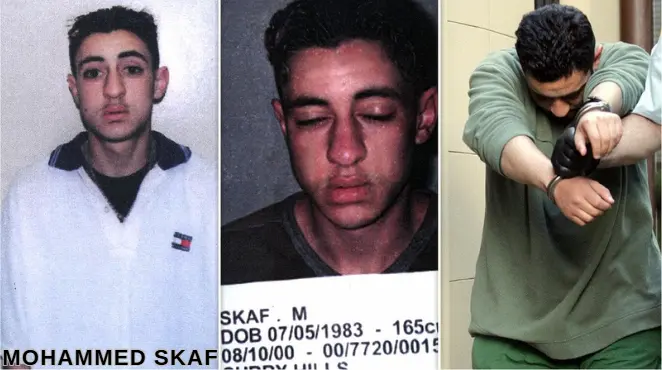

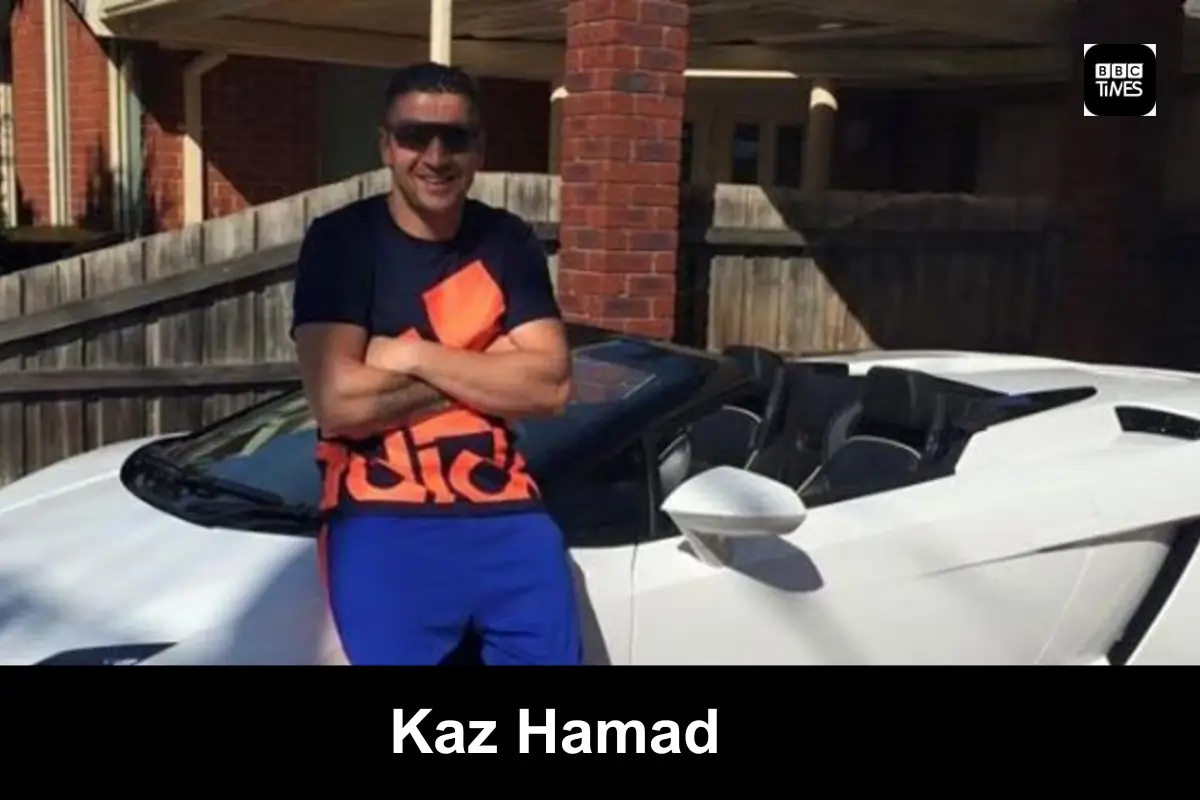
Kazem “Kaz” Hamad has become one of the most significant figures connected to Australia’s illicit tobacco trade, a black-market industry that has grown into a national organised crime issue. His name is closely tied to interstate investigations involving illegal tobacco distribution, cash movement and sustained violence aimed at retail outlets and rival criminal groups.
Formerly based in Victoria, Hamad’s position in Australia changed after criminal convictions that resulted in a prison sentence. Following his release, he was deported from Australia and has remained outside the country since. He is believed to be living in Iraq. Despite his absence, investigations connected to activity within Australia have continued, placing him at the centre of one of the most complex organised crime cases faced by Australian law enforcement in recent years.
Background and Time in Australia
Kazem Hamad is Iraqi-born and later settled in Australia, where he lived for several years. He resided in Victoria prior to his imprisonment and deportation. Reporting has described him as being in his early to mid-40s.
No information has been released regarding his childhood, education or early upbringing, and these details have never formed part of court proceedings or official disclosures.
Criminal Convictions and Deportation
Hamad has a criminal history in Australia that includes drug-related offences. These offences led to a custodial sentence served within the Australian prison system. After completing that sentence, immigration authorities deported him from Australia under migration laws.
The conviction, imprisonment and deportation occurred before the current wave of illicit tobacco investigations intensified. Since his removal, Hamad has been unable to return to Australia, and his deportation status prevents lawful re-entry.
Shift in Investigations After Deportation
Following Hamad’s removal from Australia, enforcement efforts shifted from direct arrest strategies to long-term investigations targeting networks operating domestically. Authorities focused on financial activity, distribution systems and individuals managing logistics on the ground.
This change reflected the broader challenge faced when senior figures operate offshore while domestic networks continue to function across multiple jurisdictions.
Role in the Illicit Tobacco Trade
Australian authorities have identified Hamad as a central figure connected to the illegal tobacco market. This market expanded rapidly as criminal groups exploited demand for untaxed cigarettes and loose tobacco, creating a highly profitable, cash-driven underground economy.
Operations linked to this trade have been identified across Victoria, Western Australia and New South Wales. These networks involve importation, storage, transport and retail supply, supported by individuals responsible for cash handling and enforcement of territory.
Hamad’s name continues to be linked to coordination within this environment despite his location overseas.
Interstate Operations and Logistics
Investigations have identified repeated patterns of interstate movement involving both tobacco products and cash. Illegal tobacco is transported between states to meet retail demand, while proceeds are moved separately to limit exposure.
Western Australia has featured prominently due to the movement of money back toward eastern states, particularly Victoria. These operations require trusted participants, planning and methods designed to avoid detection, reinforcing the organised nature of the trade.
Violence and Market Control
The growth of the illicit tobacco trade has been accompanied by sustained violence between competing criminal groups. Firebombings of tobacco shops, damage to commercial properties and intimidation of business operators have occurred across several states.
Retail outlets selling illegal tobacco have often been targeted to enforce compliance, disrupt rival supply chains or assert control over territory. In other cases, violence has occurred directly between competing networks seeking dominance over distribution routes.
This escalation has become widely known as Australia’s tobacco war, reflecting the intensity and persistence of conflict linked to illegal tobacco profits.
Taskforces and National Policing Priority
The Australian Federal Police has placed Kazem Hamad among the country’s most wanted individuals and described him as a national security concern due to the scale and reach of the network connected to him.
In response to the escalating tobacco conflict, specialist police units were established to focus on illicit tobacco and organised crime. Victoria Police created a dedicated taskforce to investigate the trade, working alongside Western Australia Police, New South Wales authorities and federal agencies.
These investigations have run over extended periods, involving surveillance, financial analysis and coordinated operations across jurisdictions.
Offshore Operations and Enforcement Barriers
Hamad’s continued presence in Iraq presents a major enforcement barrier. Operating outside Australia places him beyond domestic arrest powers, and the absence of an extradition pathway prevents direct legal action.
This offshore position allows separation between leadership and operational activity. Individuals within Australia manage daily operations, while coordination occurs from outside the country. This structure reduces direct exposure and complicates efforts to link senior figures to specific offences.
Organisational Structure and Communication
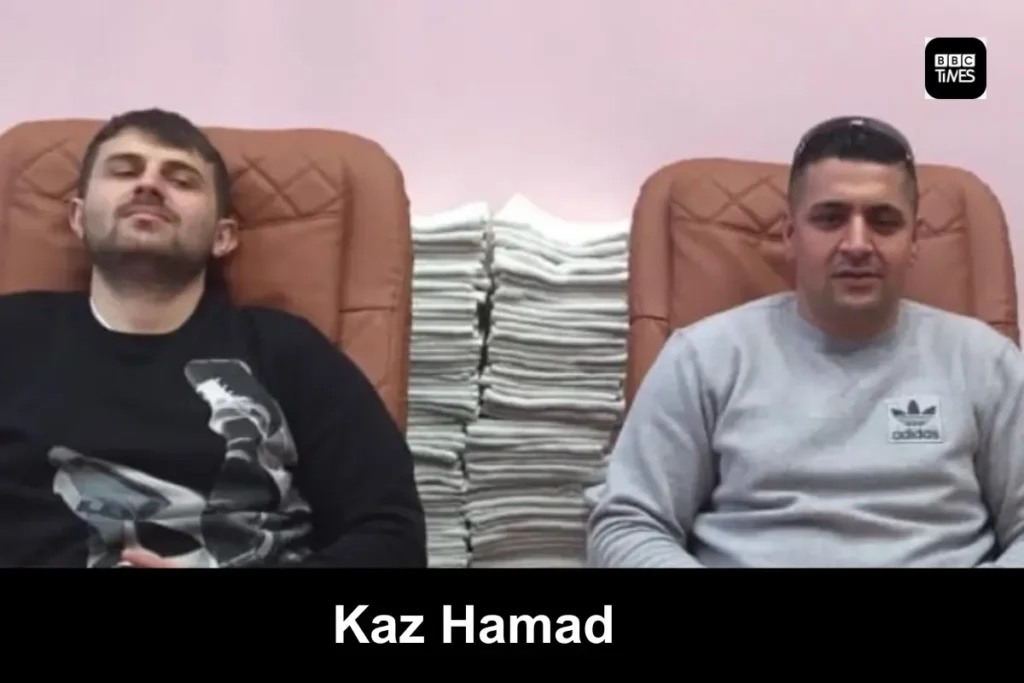
The network connected to Hamad operates through layered roles designed to reduce risk. Transport, storage, retail supply and cash movement are handled by individuals on the ground, while coordination is carried out through intermediaries.
This separation between decision-making and execution has required investigators to rely on long-term financial tracing, pattern analysis and multi-agency cooperation rather than isolated incidents.
Family Connection and Strategic Arrest
A major development occurred in 2025 with the arrest of Hamad’s younger brother, Maytham Hamad, in Western Australia. The arrest followed a lengthy investigation into organised crime activity connected to illicit tobacco profits and interstate money movement.
Authorities viewed this arrest as strategically important, as it targeted an individual involved in operational and financial coordination within Australia. The case provided further insight into how money, roles and responsibilities moved through the broader network.
Financial Crime and Cash Handling
The illicit tobacco trade operates almost entirely on cash. Sales occur outside regulated systems, generating large volumes of money that are difficult to trace. Investigators have identified repeated patterns involving cash-only transactions and physical movement of funds between states.
Financial crime units continue to examine how proceeds circulate through individuals and locations connected to the trade. While the overall scale of the market is substantial, no official figure has been released regarding Hamad’s personal wealth.
Media Attention and Public Impact
The persistence of violence and the scale of the tobacco conflict have drawn sustained national media attention. Long-form crime reporting and television investigations have highlighted the risks posed to businesses, communities and emergency services.
Public interest has been shaped by the contrast between ongoing arrests within Australia and Hamad’s continued absence from the country, reinforcing the challenges associated with offshore-controlled crime networks.
Current Situation
Kazem Hamad remains outside Australia. Investigations connected to activity linked to his name are ongoing, with authorities continuing to target financial channels, distribution routes and individuals operating domestically.
His case remains one of the most prominent organised crime matters in Australia, reflecting the evolving nature of illicit markets and the difficulty of addressing cross-border criminal coordination.
Conclusion
Kazem “Kaz” Hamad’s crime profile illustrates how the illicit tobacco trade has developed into a violent, organised and cash-driven criminal enterprise. From his criminal convictions and deportation to the ongoing investigations surrounding his network, his case highlights the scale of the challenge facing Australian law enforcement.
As authorities continue efforts to disrupt operations within Australia, the broader fight against illicit tobacco remains active, with Hamad’s case standing as a defining example of the difficulties posed by interstate logistics, layered networks and offshore coordination.
FAQs
Who is the Munster Melbourne underworld?
The phrase “Munster Melbourne underworld” is commonly used online or in informal discussions but does not refer to a recognised individual or formally identified underworld figure in Melbourne.
Who is the Punisher in Melbourne?
“The Punisher” is a nickname that has appeared in media reporting to describe certain Melbourne underworld figures involved in organised crime disputes. Nicknames are often used by the media and are not official titles.
What is the illicit cigarette trade?
The illicit cigarette trade involves the sale and distribution of cigarettes that are untaxed, illegally imported or manufactured outside regulated systems, often linked to organised crime networks.
What is illicit tobacco?
Illicit tobacco refers to tobacco products sold outside legal channels. This includes unbranded loose tobacco, counterfeit cigarettes and smuggled products that avoid government taxes and regulations.
Who is the most famous gangster of all time?
Internationally, figures such as Al Capone are often regarded as the most famous gangsters due to their historical impact, extensive media coverage and lasting influence on popular culture.
What is the highest crime suburb in Melbourne?
Crime levels vary over time and depend on reporting periods. No single suburb permanently holds the title of highest crime area, as statistics change based on policing and social factors.
Is Chopper based on a true story?
Yes. Chopper is based on the life of Mark “Chopper” Read, a well-known Australian criminal whose life and writings inspired the film, though some events were dramatised.
Who was the underworld figure killed in Melbourne?
Over the years, several underworld figures have been killed in Melbourne as part of organised crime conflicts. These incidents are often linked to disputes within criminal networks and have been widely covered by Australian media.