


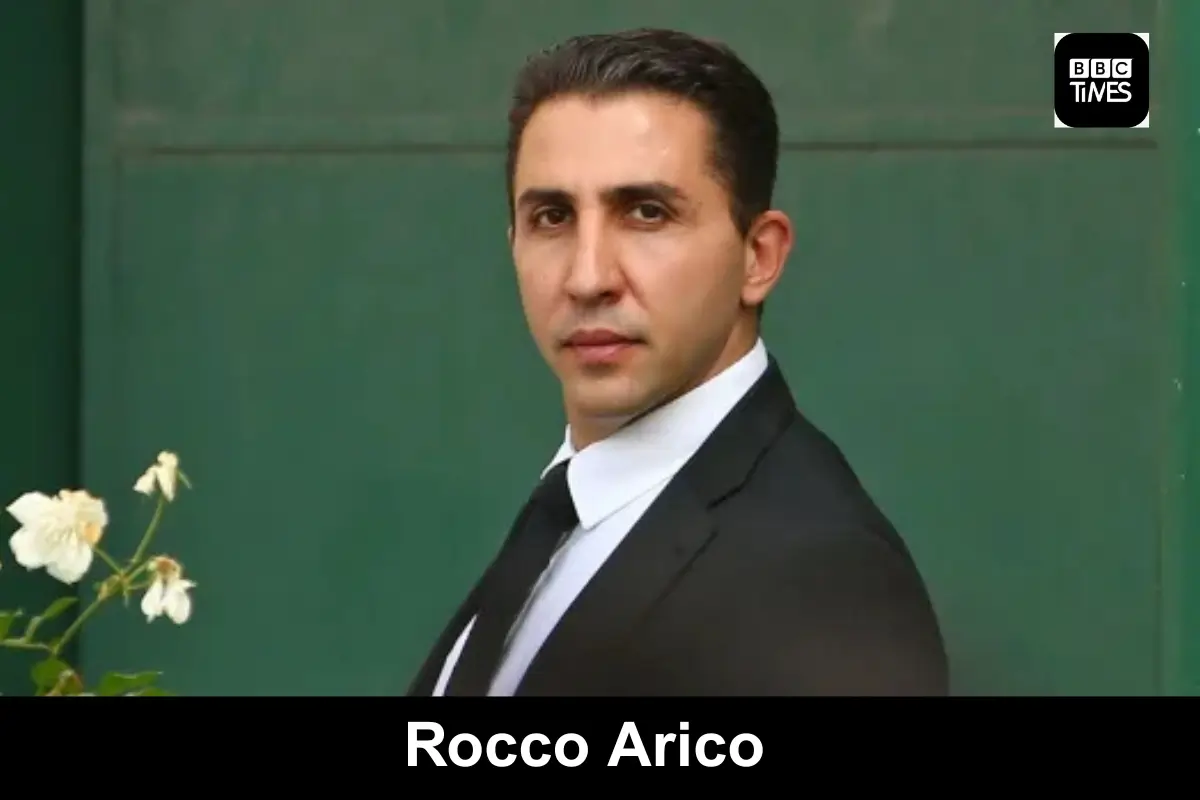
Melbourne has traditionally been a city of contrasts, with a dark criminal underbelly coexisting with the glitz of its Greek and Italian populations. For many years, Rocco Arico, a guy whose name came to represent organised crime, brutality, and strategic intelligence, was at the core of this underworld. Arico developed a reputation for merciless efficiency over the years by methodically managing his illegal activities to elude law authorities and surrounded himself with devoted collaborators.
However, even the most powerful criminal networks are susceptible to legal action, law enforcement investigation, and treachery. Both internal and external factors contributed to Rocco Arico’s demise: the treachery of his close friend Con Mattas, the painstakingly collected evidence by Victoria Police’s Purana Taskforce, and the final court convictions that deprived him of his freedom and authority.
The 2024 murder of criminal defence attorney Joseph “Pino” Acquaro adds even more weight to this tale and highlights the continued risks faced by anybody who interact with Melbourne’s organised crime. This story follows Arico’s ascent, illegal activities, court cases, police enquiries, and the wider social repercussions of his deeds.
Childhood and the Beginning of Criminal Activity
Born in Italy’s Calabria area, Rocco Arico moved to Melbourne as a youngster. He was raised in a close-knit Italian neighbourhood in the Brunswick area, where he formed relationships that would eventually serve as the foundation for his criminal network. His connection with Con Mattas, which lasted for decades and eventually shaped Arico’s criminal career, was one of his most important partnerships.
In the late 1990s, Arico committed his first significant crimes. He was found guilty of abduction in 1999, demonstrating a habit of aggressive criminal activity. The following year, while operating a vehicle controlled by infamous Melbourne drug trafficker Carl Williams, he was engaged in a road rage incident in which he shot a man six times. A conviction for attempted murder resulted from this conduct.
Even while these first crimes were spontaneous, they demonstrated Arico’s readiness to go to great lengths to establish authority and control. Instead of diminishing his power, his incarceration sharpened his strategic thinking and gave him access to Melbourne’s criminal underworld.
Grow in the Underworld of Melbourne
After being released from jail, Arico became a more methodical and determined person. He established himself in Melbourne’s drug trade by using his family’s ties to the Calabrian “Ndrangheta,” one of the most powerful Mafia groups. He distributed cocaine and methamphetamine (“ice”), enforced debts violently, and controlled territory.
Arico was very picky about who he hired. His inner circle was limited to individuals with a history of loyalty, familial connections, or previous incarceration. He was able to elude law enforcement for years because of his meticulous network curating, earning him a reputation in the underground that was both feared and respected.
By the 2010s, Arico was included among the most powerful members of organised crime in the state on a secret Victoria Police list. His operational reach and the authorities’ assessment of the danger he represented to the community were both reflected in this categorisation.
Con Mattas’s Betrayal
Arico and Con Mattas had been friends for decades, but after a failed cocaine trade in December 2010, their relationship soured. Mattas paid $350,000 to Arico for one kilogramme of cocaine, which he planned to resell to Bandidos enforcer Toby Mitchell for $375,000. Mitchell took the cocaine and left a box of men’s magazines in place of payment, which caused the deal to fail.
Arico used pressure, threats, and intimidation to enforce the debt and demand payment. In order to pay off some of the debt, Mattas was compelled to work as a drug mule, transporting methamphetamine over state lines. Aspects of the deal were handled by Michael “Eyes” Pastras, who built a complicated web of commitments and allegiances inside Arico’s criminal network.
This treachery has consequences beyond only monetary loss. Mattas’ family had several assaults, arson attacks, and property destruction between 2013 and 2014. Masked attackers stormed into the family property, fences were set on fire, and graffiti with the words “Pay Your Bills” appeared on vehicles and houses.
By physically attacking Mattas and requiring the formalisation of debt payments via a fictitious construction contract connected to the sale of a Coburg property, Arico intensified the conflict. Arico instilled fear and obedience in his network by demanding refinancing and full payments when creditors stopped the sale.
Mattas Becomes an Informant
Con Mattas made the decision to assist police authorities after being repeatedly threatened and attacked. He was actively contributing information to the Purana Taskforce of Victoria Police by February 2015. During meetings with Arico, Mattas wore a wire to record conversations about drug sales, intimidation, and threats.
Although difficult for the jury to evaluate, Mattas’ evidence was essential throughout the legal processes. He broke down while describing his lengthy acquaintance with Arico, seeming anxious, forgetful, and prone to hide his face. Despite these shortcomings, prosecutors were able to construct a strong case against one of Melbourne’s most elusive organised crime leaders thanks to his testimony, which was supported by wiretap recordings and other evidence.
Purana Taskforce Study
The Purana Taskforce, which was created to destroy gangland operations across Victoria, looked into Rocco Arico’s illegal activities in great detail and from a variety of angles. In order to get useful information, the taskforce conducted intensive wiretapping and surveillance operations over a number of months, keeping an eye on Arico’s meetings, phone conversations, and bank transactions.
In addition, detectives worked together with the Australian Taxation Office to create a financial picture of Arico’s activities by conducting thorough financial enquiries, tracing assets, and identifying probable proceeds of crime. The result of these efforts was an attempt to seize assets worth around $10 million, including Arico’s specially constructed home known as the “ice castle,” which was purportedly financed by the earnings from illegal drugs.
Simultaneously, the unit conducted a thorough investigation into Arico’s criminal network, charting his ties to important allies including Con Mattas, the Pastras brothers, Toby Mitchell, and other underworld enforcers in Melbourne. Investigators also closely examined Arico’s possible role in the 2010 murder of Carl Williams, a police informant who had provided information on Arico’s actions. Even though Arico was never prosecuted in connection with Williams’ death, the enquiry strengthened our knowledge of the tactics, scope, and danger of his illegal business. Law enforcement prepared a thorough and strong case against Arico by integrating wiretap evidence, surveillance data, informant testimony, and financial investigations.
Court Cases and Verdicts
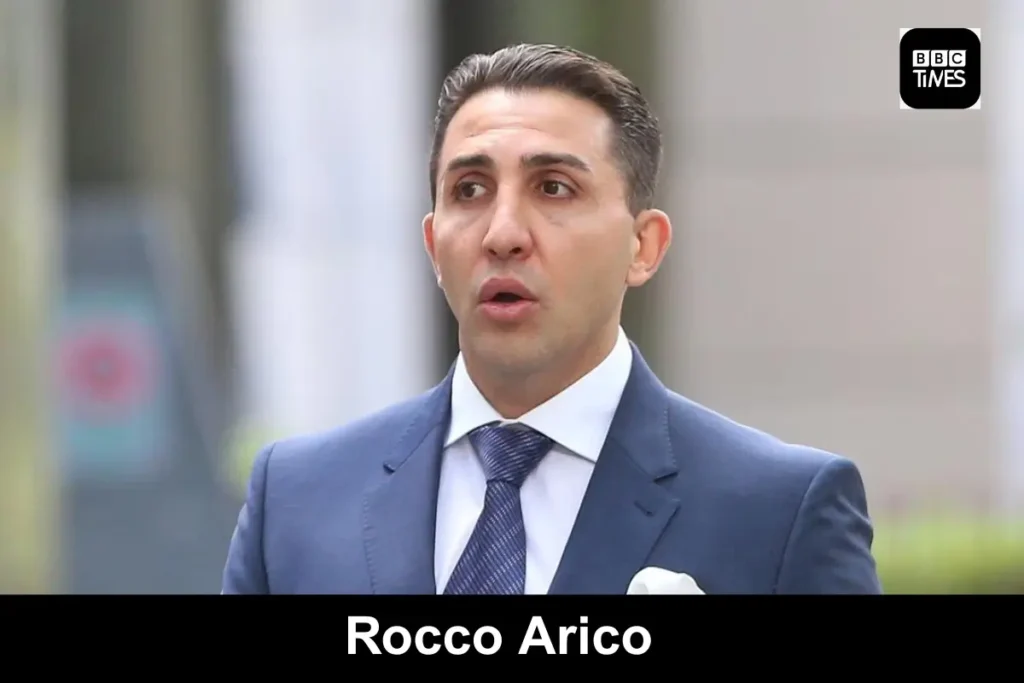
Arico had a convoluted legal path that included many trials in several courts. He was charged with extortion, narcotics trafficking, possessing a handgun, and purposefully inflicting harm after his arrest in 2015. He was found guilty by the County Court in November 2016 of extortion, deliberately inflicting harm, and drug trafficking. He was also found guilty of possessing a handgun and GHB in early 2017 after further trials.
After Arico filed an appeal in 2018, the sentence was lowered from fourteen to twelve years, with a minimum of nine years without the possibility of release. Although the majority of the court affirmed the convictions, Justice Phillip Priest dissented during the appeal on the admission of weapon evidence, claiming that it was prejudicial.
Arico made the decision to testify in his own defence throughout the trials. He insisted that the purported threats had been misconstrued, that the narcotics and weapons discovered by the police belonged to his family, and that the sums in issue were personal loans. In addition, he maintained that a recorded promise to provide narcotics to Con Mattas had been made in good faith. However, the jury rejected these allegations, and Arico was eventually found guilty on all counts because of the combination of wiretap recordings, intensive surveillance, and Mattas’ evidence.
The Impact of Arico in Prison
Arico showed strategic control even after being imprisoned. Tensions inexplicably dropped when convicts were housed in units with dangerous offenders. Conflicts between gang members decreased, according to prison authorities, demonstrating Arico’s ability to influence others and demand respect even while incarcerated.
Joseph “Pino” Acquaro’s murder
Joseph “Pino” Acquaro, a criminal defence attorney, was shot and killed in May 2024 outside Gelobar, a gelato establishment in Brunswick. Arico and Francesco Madafferi were among the well-known Mafia clients whom Acquaro had represented. The murder was described by police as a targeted Mafia hit.
A $200,000 contract had been put on Acquaro’s life, according to earlier warnings, and a mysterious fire had already destroyed his store. Acquaro was a “down-to-earth” and philanthropic guy who was quite active in Melbourne’s Italian community, according to family friend George Mirabella.
The murder echoes past events including the murders of Derrance Stevenson in 1979, Katie Foreman in 2011, and other Family Court judges targeted in the 1980s, and it highlights the continued dangers faced by attorneys who represent organised criminal leaders.
Key Figures in Arico’s Criminal Network
Arico’s operations were supported and enforced by a network of associates:
- Con Mattas: Mid-level drug trafficker and prosecution witness; long-time friend turned informant.
- Michael “Eyes” Pastras: Brokered deals; involved in intimidation tactics.
- Savas Pastras: Enforcer; previously arrested with cash linked to criminal activities.
- Travis “The Albino” Eades: Involved in arson and intimidation against Mattas’ family.
- Toby Mitchell: Bandidos enforcer involved in botched cocaine deal.
- Carl “Fat Boy” Williams: Early associate; murdered in prison under suspicious circumstances; Arico suspected of involvement.
Timeline of Key Events
- 1999: Kidnapping conviction.
- 2000: Road rage shooting; six bullets fired while driving Carl Williams’ car.
- 2010: Botched cocaine deal with Con Mattas; Carl Williams murdered in prison.
- 2011: Toby Mitchell shot outside Brunswick gym (unrelated).
- 2013–2014: Debt enforcement against Mattas escalates; property vandalism, arson, and threats.
- Mid-2014: Fraudulent contract forced on Mattas to settle debt.
- February 2015: Mattas becomes an informant, wearing wire during meetings with Arico.
- 2015: Arico arrested by Victoria Police.
- November 2016: County Court convictions for extortion, intentional injury, drug trafficking.
- Early 2017: Convictions for firearm and GHB possession.
- 2018: Sentence reduced on appeal; minimum non-parole 9 years.
- May 2024: Murder of Joseph “Pino” Acquaro outside Brunswick gelato shop.
Conclusion
The interplay of devotion, treachery, and brutality in Melbourne’s underworld is highlighted by Rocco Arico’s criminal career. From early violent crimes to intricate trafficking schemes, Arico’s narrative exposes both individual aspirations and the structural underpinnings of organised crime.
The thoroughness of Victoria Police’s Purana Taskforce, the collaboration of informants like Con Mattas, and the ensuing judicial actions serve as examples of how law enforcement breaks up strong criminal networks. The ongoing human cost and dangers of being involved with organised crime are shown by the death of Joseph Acquaro.
Arico’s convictions, incarceration, and impending deportation to Italy represent the end of a criminal career that had a significant influence on Melbourne’s criminal and legal scene and shed light on the continuous conflict between organised crime, loyalty, and the law.
FAQs
What happened to Rocco Arico?
Rocco Arico, a major figure in Melbourne’s organised crime scene, was arrested in 2015 for drug trafficking, extortion, and firearm offences. He was convicted in multiple trials and sentenced to a reduced maximum of 12 years in prison, with a minimum non-parole period of nine years. He is also facing deportation to Italy.
What nationality is Rocco Arico?
Rocco Arico was born in Calabria, Italy, and later migrated to Australia as a child. Despite living in Australia for most of his life, he never acquired Australian citizenship.
When was Tony Mokbel jailed?
Tony Mokbel, another notorious Melbourne crime figure, was extradited from Greece and jailed in 2007 after being convicted for drug trafficking and other organised crime offences.
Who was richer, El Chapo or Pablo Escobar?
Pablo Escobar was considered wealthier than El Chapo at the peak of his power. Escobar’s net worth was estimated at around $30 billion, making him one of the richest criminals in history, while El Chapo’s fortune was smaller, though still substantial.
Who did Rocco marry?
Public records indicate that Rocco Arico has kept his personal life largely private, and there is no widely published information about his spouse or marriage.
What exactly does “Arico” mean?
“Arico” is an Italian surname, most commonly associated with families from southern Italy, particularly Calabria and Sicily. It does not have a specific literal meaning in Italian but identifies lineage and heritage.
Where is Chef Rocco now?
Referring to Joseph “Pino” Acquaro, the criminal lawyer sometimes called “Chef Rocco” for his gelato business, he was tragically murdered in May 2024 outside his Brunswick gelato shop.
Where is Tony Mokbel staying?
Tony Mokbel is serving his sentence in an Australian prison. After his conviction, he has been incarcerated under maximum security conditions due to his high-risk status as a gangland figure.
Melbourne has traditionally been a city of contrasts, with a dark criminal underbelly coexisting with the glitz of its Greek and Italian populations. For many years, Rocco Arico, a guy whose name came to represent organised crime, brutality, and strategic intelligence, was at the core of this underworld. Arico developed a reputation for merciless efficiency over the years by methodically managing his illegal activities to elude law authorities and surrounded himself with devoted collaborators.
However, even the most powerful criminal networks are susceptible to legal action, law enforcement investigation, and treachery. Both internal and external factors contributed to Rocco Arico’s demise: the treachery of his close friend Con Mattas, the painstakingly collected evidence by Victoria Police’s Purana Taskforce, and the final court convictions that deprived him of his freedom and authority.
The 2024 murder of criminal defence attorney Joseph “Pino” Acquaro adds even more weight to this tale and highlights the continued risks faced by anybody who interact with Melbourne’s organised crime. This story follows Arico’s ascent, illegal activities, court cases, police enquiries, and the wider social repercussions of his deeds.
Childhood and the Beginning of Criminal Activity
Born in Italy’s Calabria area, Rocco Arico moved to Melbourne as a youngster. He was raised in a close-knit Italian neighbourhood in the Brunswick area, where he formed relationships that would eventually serve as the foundation for his criminal network. His connection with Con Mattas, which lasted for decades and eventually shaped Arico’s criminal career, was one of his most important partnerships.
In the late 1990s, Arico committed his first significant crimes. He was found guilty of abduction in 1999, demonstrating a habit of aggressive criminal activity. The following year, while operating a vehicle controlled by infamous Melbourne drug trafficker Carl Williams, he was engaged in a road rage incident in which he shot a man six times. A conviction for attempted murder resulted from this conduct.
Even while these first crimes were spontaneous, they demonstrated Arico’s readiness to go to great lengths to establish authority and control. Instead of diminishing his power, his incarceration sharpened his strategic thinking and gave him access to Melbourne’s criminal underworld.
Grow in the Underworld of Melbourne
After being released from jail, Arico became a more methodical and determined person. He established himself in Melbourne’s drug trade by using his family’s ties to the Calabrian “Ndrangheta,” one of the most powerful Mafia groups. He distributed cocaine and methamphetamine (“ice”), enforced debts violently, and controlled territory.
Arico was very picky about who he hired. His inner circle was limited to individuals with a history of loyalty, familial connections, or previous incarceration. He was able to elude law enforcement for years because of his meticulous network curating, earning him a reputation in the underground that was both feared and respected.
By the 2010s, Arico was included among the most powerful members of organised crime in the state on a secret Victoria Police list. His operational reach and the authorities’ assessment of the danger he represented to the community were both reflected in this categorisation.
Con Mattas’s Betrayal
Arico and Con Mattas had been friends for decades, but after a failed cocaine trade in December 2010, their relationship soured. Mattas paid $350,000 to Arico for one kilogramme of cocaine, which he planned to resell to Bandidos enforcer Toby Mitchell for $375,000. Mitchell took the cocaine and left a box of men’s magazines in place of payment, which caused the deal to fail.
Arico used pressure, threats, and intimidation to enforce the debt and demand payment. In order to pay off some of the debt, Mattas was compelled to work as a drug mule, transporting methamphetamine over state lines. Aspects of the deal were handled by Michael “Eyes” Pastras, who built a complicated web of commitments and allegiances inside Arico’s criminal network.
This treachery has consequences beyond only monetary loss. Mattas’ family had several assaults, arson attacks, and property destruction between 2013 and 2014. Masked attackers stormed into the family property, fences were set on fire, and graffiti with the words “Pay Your Bills” appeared on vehicles and houses.
By physically attacking Mattas and requiring the formalisation of debt payments via a fictitious construction contract connected to the sale of a Coburg property, Arico intensified the conflict. Arico instilled fear and obedience in his network by demanding refinancing and full payments when creditors stopped the sale.
Mattas Becomes an Informant
Con Mattas made the decision to assist police authorities after being repeatedly threatened and attacked. He was actively contributing information to the Purana Taskforce of Victoria Police by February 2015. During meetings with Arico, Mattas wore a wire to record conversations about drug sales, intimidation, and threats.
Although difficult for the jury to evaluate, Mattas’ evidence was essential throughout the legal processes. He broke down while describing his lengthy acquaintance with Arico, seeming anxious, forgetful, and prone to hide his face. Despite these shortcomings, prosecutors were able to construct a strong case against one of Melbourne’s most elusive organised crime leaders thanks to his testimony, which was supported by wiretap recordings and other evidence.
Purana Taskforce Study
The Purana Taskforce, which was created to destroy gangland operations across Victoria, looked into Rocco Arico’s illegal activities in great detail and from a variety of angles. In order to get useful information, the taskforce conducted intensive wiretapping and surveillance operations over a number of months, keeping an eye on Arico’s meetings, phone conversations, and bank transactions.
In addition, detectives worked together with the Australian Taxation Office to create a financial picture of Arico’s activities by conducting thorough financial enquiries, tracing assets, and identifying probable proceeds of crime. The result of these efforts was an attempt to seize assets worth around $10 million, including Arico’s specially constructed home known as the “ice castle,” which was purportedly financed by the earnings from illegal drugs.
Simultaneously, the unit conducted a thorough investigation into Arico’s criminal network, charting his ties to important allies including Con Mattas, the Pastras brothers, Toby Mitchell, and other underworld enforcers in Melbourne. Investigators also closely examined Arico’s possible role in the 2010 murder of Carl Williams, a police informant who had provided information on Arico’s actions. Even though Arico was never prosecuted in connection with Williams’ death, the enquiry strengthened our knowledge of the tactics, scope, and danger of his illegal business. Law enforcement prepared a thorough and strong case against Arico by integrating wiretap evidence, surveillance data, informant testimony, and financial investigations.
Court Cases and Verdicts
Arico had a convoluted legal path that included many trials in several courts. He was charged with extortion, narcotics trafficking, possessing a handgun, and purposefully inflicting harm after his arrest in 2015. He was found guilty by the County Court in November 2016 of extortion, deliberately inflicting harm, and drug trafficking. He was also found guilty of possessing a handgun and GHB in early 2017 after further trials.
After Arico filed an appeal in 2018, the sentence was lowered from fourteen to twelve years, with a minimum of nine years without the possibility of release. Although the majority of the court affirmed the convictions, Justice Phillip Priest dissented during the appeal on the admission of weapon evidence, claiming that it was prejudicial.
Arico made the decision to testify in his own defence throughout the trials. He insisted that the purported threats had been misconstrued, that the narcotics and weapons discovered by the police belonged to his family, and that the sums in issue were personal loans. In addition, he maintained that a recorded promise to provide narcotics to Con Mattas had been made in good faith. However, the jury rejected these allegations, and Arico was eventually found guilty on all counts because of the combination of wiretap recordings, intensive surveillance, and Mattas’ evidence.
The Impact of Arico in Prison
Arico showed strategic control even after being imprisoned. Tensions inexplicably dropped when convicts were housed in units with dangerous offenders. Conflicts between gang members decreased, according to prison authorities, demonstrating Arico’s ability to influence others and demand respect even while incarcerated.
Joseph “Pino” Acquaro’s murder
Joseph “Pino” Acquaro, a criminal defence attorney, was shot and killed in May 2024 outside Gelobar, a gelato establishment in Brunswick. Arico and Francesco Madafferi were among the well-known Mafia clients whom Acquaro had represented. The murder was described by police as a targeted Mafia hit.
A $200,000 contract had been put on Acquaro’s life, according to earlier warnings, and a mysterious fire had already destroyed his store. Acquaro was a “down-to-earth” and philanthropic guy who was quite active in Melbourne’s Italian community, according to family friend George Mirabella.
The murder echoes past events including the murders of Derrance Stevenson in 1979, Katie Foreman in 2011, and other Family Court judges targeted in the 1980s, and it highlights the continued dangers faced by attorneys who represent organised criminal leaders.
Key Figures in Arico’s Criminal Network
Arico’s operations were supported and enforced by a network of associates:
- Con Mattas: Mid-level drug trafficker and prosecution witness; long-time friend turned informant.
- Michael “Eyes” Pastras: Brokered deals; involved in intimidation tactics.
- Savas Pastras: Enforcer; previously arrested with cash linked to criminal activities.
- Travis “The Albino” Eades: Involved in arson and intimidation against Mattas’ family.
- Toby Mitchell: Bandidos enforcer involved in botched cocaine deal.
- Carl “Fat Boy” Williams: Early associate; murdered in prison under suspicious circumstances; Arico suspected of involvement.
Timeline of Key Events
- 1999: Kidnapping conviction.
- 2000: Road rage shooting; six bullets fired while driving Carl Williams’ car.
- 2010: Botched cocaine deal with Con Mattas; Carl Williams murdered in prison.
- 2011: Toby Mitchell shot outside Brunswick gym (unrelated).
- 2013–2014: Debt enforcement against Mattas escalates; property vandalism, arson, and threats.
- Mid-2014: Fraudulent contract forced on Mattas to settle debt.
- February 2015: Mattas becomes an informant, wearing wire during meetings with Arico.
- 2015: Arico arrested by Victoria Police.
- November 2016: County Court convictions for extortion, intentional injury, drug trafficking.
- Early 2017: Convictions for firearm and GHB possession.
- 2018: Sentence reduced on appeal; minimum non-parole 9 years.
- May 2024: Murder of Joseph “Pino” Acquaro outside Brunswick gelato shop.
Conclusion
The interplay of devotion, treachery, and brutality in Melbourne’s underworld is highlighted by Rocco Arico’s criminal career. From early violent crimes to intricate trafficking schemes, Arico’s narrative exposes both individual aspirations and the structural underpinnings of organised crime.
The thoroughness of Victoria Police’s Purana Taskforce, the collaboration of informants like Con Mattas, and the ensuing judicial actions serve as examples of how law enforcement breaks up strong criminal networks. The ongoing human cost and dangers of being involved with organised crime are shown by the death of Joseph Acquaro.
Arico’s convictions, incarceration, and impending deportation to Italy represent the end of a criminal career that had a significant influence on Melbourne’s criminal and legal scene and shed light on the continuous conflict between organised crime, loyalty, and the law.
FAQs
What happened to Rocco Arico?
Rocco Arico, a major figure in Melbourne’s organised crime scene, was arrested in 2015 for drug trafficking, extortion, and firearm offences. He was convicted in multiple trials and sentenced to a reduced maximum of 12 years in prison, with a minimum non-parole period of nine years. He is also facing deportation to Italy.
What nationality is Rocco Arico?
Rocco Arico was born in Calabria, Italy, and later migrated to Australia as a child. Despite living in Australia for most of his life, he never acquired Australian citizenship.
When was Tony Mokbel jailed?
Tony Mokbel, another notorious Melbourne crime figure, was extradited from Greece and jailed in 2007 after being convicted for drug trafficking and other organised crime offences.
Who was richer, El Chapo or Pablo Escobar?
Pablo Escobar was considered wealthier than El Chapo at the peak of his power. Escobar’s net worth was estimated at around $30 billion, making him one of the richest criminals in history, while El Chapo’s fortune was smaller, though still substantial.
Who did Rocco marry?
Public records indicate that Rocco Arico has kept his personal life largely private, and there is no widely published information about his spouse or marriage.
What exactly does “Arico” mean?
“Arico” is an Italian surname, most commonly associated with families from southern Italy, particularly Calabria and Sicily. It does not have a specific literal meaning in Italian but identifies lineage and heritage.
Where is Chef Rocco now?
Referring to Joseph “Pino” Acquaro, the criminal lawyer sometimes called “Chef Rocco” for his gelato business, he was tragically murdered in May 2024 outside his Brunswick gelato shop.
Where is Tony Mokbel staying?
Tony Mokbel is serving his sentence in an Australian prison. After his conviction, he has been incarcerated under maximum security conditions due to his high-risk status as a gangland figure.