



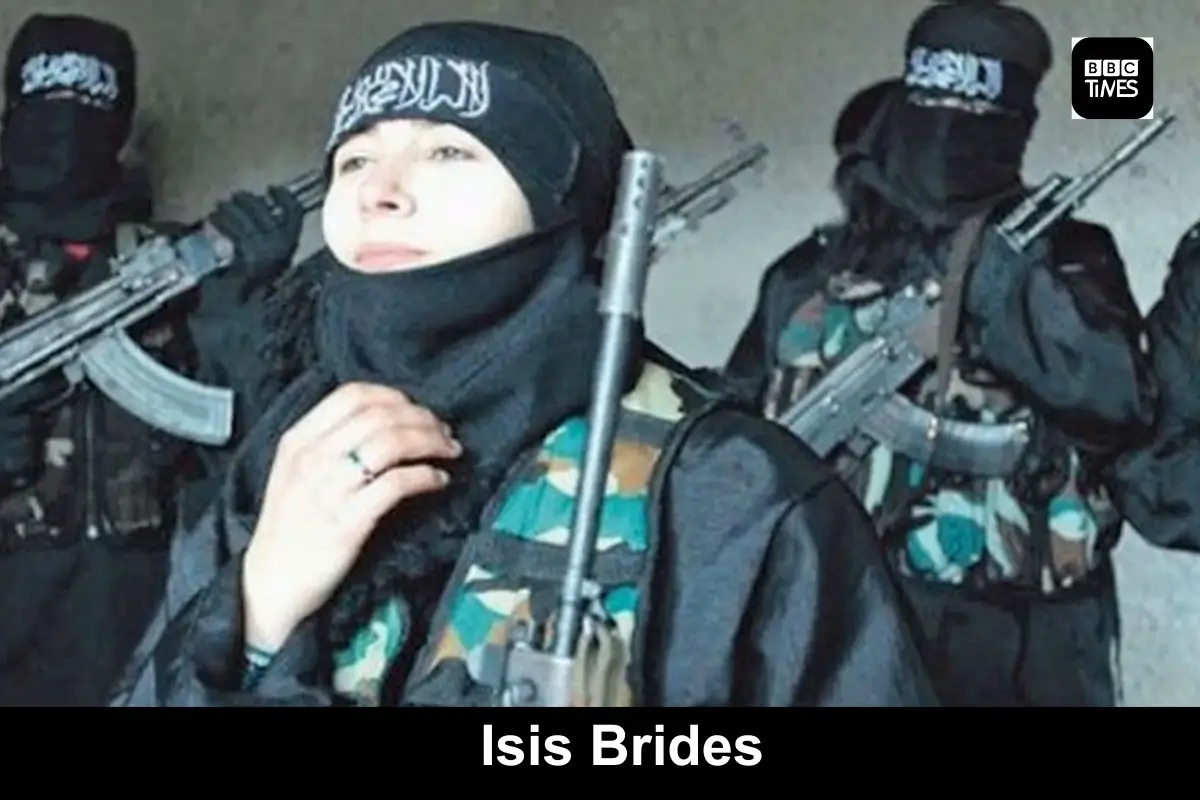
The phrase “ISIS brides” is widely used in public debate, yet it is one of the most misleading labels to emerge from the conflict in Syria and Iraq. It suggests romance, naivety, or passive association, while concealing the deliberate and structured role women played within the Islamic State’s organisational framework. Academic research, court records, intelligence assessments and government reporting all point to a more complex reality: women were neither incidental nor accidental participants. They were recruited to solve strategic problems inside a violent extremist organisation.
For Australia, this is no longer a distant issue confined to foreign battlefields. Australian women and children associated with ISIS have returned, some through formal government repatriation and others through irregular routes. The debate has shifted from whether return is possible to how the country manages accountability, rehabilitation, and long-term security within the rule of law.
The global context: ISIS and foreign recruitment
When the Islamic State declared a caliphate in 2014, it launched a campaign of recruitment unprecedented in scale for a modern terrorist organisation. Publicly available estimates indicate that approximately 53,000 foreign fighters from more than 80 countries travelled to Syria and Iraq to support ISIS. Of these, research suggests around 41,000 individuals became formally affiliated with the group, with women making up roughly 13 to 15 per cent, equating to around 4,700 female recruits.
These figures dispel the notion that female participation was marginal. While men dominated combat roles, women were essential to ISIS’s vision of permanence. The group did not see itself merely as a fighting force, but as a governing entity. That ambition required households, children, and social continuity.
The “marriage crisis” and ISIS’s strategic use of women
By 2014, ISIS faced a structural problem. Its ranks were overwhelmingly male, many of whom were foreign fighters with no familial ties to the territories they occupied. Research by security scholars, including Mia Bloom, shows ISIS actively recruited women to address what internal messaging described as a “marriage crisis”. Fighters without families were more likely to leave, less invested in territory, and harder to control.
Marriage became a tool of governance. Women were recruited to stabilise fighters emotionally, anchor them socially, and normalise daily life under extremist rule. This was not incidental. Marriage reduced desertion, encouraged reproduction, and reinforced gender hierarchies that allowed ISIS to present itself as a functioning state rather than a transient insurgency.
Recruitment narratives aimed at women promised dignity, meaning and purpose. In practice, women were absorbed into a rigid domestic structure designed to serve the organisation rather than empower individuals.
Gendered propaganda and the recruitment of Western women
ISIS recruitment of women was carefully designed and adapted for Western audiences. English-language propaganda, encrypted messaging platforms and female-authored material portrayed migration as both a religious obligation and a personal calling. Women were encouraged to perform hijrah, the act of emigration framed as a duty in support of the caliphate.
These messages emphasised sisterhood, belonging and moral clarity. Many women reported feeling isolated, marginalised or conflicted about identity in their countries of origin. ISIS propaganda exploited these feelings, presenting life under the caliphate as ordered, purposeful and spiritually authentic.
Marriage was central to this appeal. Research into radicalisation patterns shows that many women were attracted by the promise of marrying a “hero”, a figure portrayed as brave, disciplined and willing to sacrifice himself for a higher cause. Violence was romanticised, and intimacy was tied directly to ideological commitment.
Identity crisis, grievance and radicalisation
Female participation in extremist movements predates ISIS. Historical examples include women in nationalist insurgencies, left-wing armed groups in Europe, and the Chechen “Black Widows” who carried out suicide attacks in Russia during the early 2000s. In those cases, scholars debated whether participation was driven primarily by trauma or by organisational strategy.
Both explanations hold relevance. Many Chechen women experienced direct exposure to war, displacement and loss. Their participation was shaped by personal trauma but also channelled through structured militant networks.
ISIS differed in important ways. For many Western women, there was no direct experience of occupation or armed conflict. Instead, radicalisation was often linked to identity crisis, ideological conviction, grievance, or the search for meaning. Vulnerability played a role, but it does not account for all cases. Some women made conscious ideological choices and actively rejected Western liberal values.
The paradox of freedom
One of the most significant but often overlooked drivers of female radicalisation is the paradox of freedom. Western societies publicly promote freedom of expression and religion, yet impose visible restrictions on Islamic dress in some jurisdictions. Bans on hijab or burqa, combined with rising Islamophobia, contributed to feelings of exclusion among some Muslim women.
For those affected, freedom appeared conditional. Wearing religious clothing attracted suspicion or hostility. ISIS propaganda exploited this contradiction, presenting the caliphate as a place where women could practise their faith without judgement. In reality, the freedom promised by ISIS translated into extreme subjugation, surveillance and loss of autonomy.
Life under ISIS rule
Once inside ISIS-controlled territory, women’s lives bore little resemblance to recruitment promises. Daily life was defined by strict gender segregation, compulsory dress codes and constant surveillance. Education and employment were largely prohibited. Movement outside the home required male permission. Women were not equal before the law.
These conditions violated multiple provisions of the Universal Declaration of Human Rights, including:
- Article 4, prohibiting slavery, breached through the enslavement of Yazidi women
- Article 5, prohibiting cruel, inhuman or degrading treatment
- Article 7, guaranteeing equality before the law
- Articles 19, 23 and 26, covering freedom of expression, employment and education
Widowed women were frequently forced into remarriage. Attempts to escape carried severe risk. For minority women, particularly Yazidis, ISIS rule amounted to systematic sexual violence, trafficking and enslavement, recognised internationally as war crimes.
Women as active participants
The portrayal of women as passive victims does not fully reflect reality. ISIS propaganda explicitly identified multiple female roles, including supporters, mothers, wives and, when required, fighters. As ISIS lost territory and reverted to insurgency, its messaging increasingly portrayed women as operational actors.
Publicly documented cases in Europe demonstrate that women were capable of planning and supporting violent acts. An all-female ISIS cell linked to a foiled attack in the United Kingdom stands as a clear example that women could move beyond domestic roles when organisational needs demanded it.
This does not negate victimisation or coercion, but it challenges assumptions that women posed no security risk.
The collapse of ISIS and detention camps
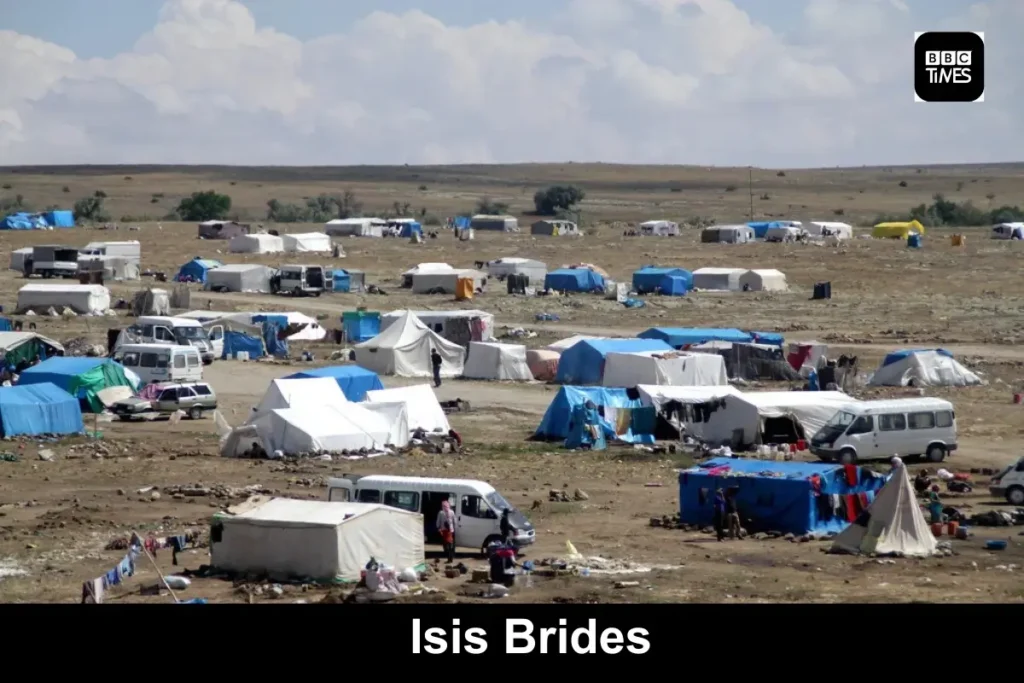
When ISIS lost its final territorial stronghold in Baghouz in March 2019, thousands of women and children were detained in camps in north-east Syria, including al-Hol and al-Roj. These camps now hold more than 40,000 people, including approximately 8,500 foreign nationals.
Conditions are widely described as harsh and unstable. Violence is common, medical care is limited, and extremist intimidation persists within the camps. Supporters of ISIS continue to enforce ideological rules, while victims of ISIS violence are confined alongside those who supported their abuse.
Children raised in these environments face severe developmental harm. Many have known nothing but conflict, detention and ideological exposure, creating long-term humanitarian and security challenges.
Australia’s connection to ISIS
Australian authorities estimate that around 207 Australians travelled to Syria and Iraq to support ISIS. Approximately 17 per cent were women. Many children were born overseas, complicating citizenship and documentation.
Globally, patterns varied. France recorded one of the highest proportions of female recruits, with estimates of around 30 per cent. The United Kingdom saw at least 56 women travel. Germany recorded figures between 20 and 30 per cent, while the Netherlands reported more than 50 women and approximately 20 children born in ISIS-controlled territory.
Australian repatriation and legal outcomes
Australia’s response has been cautious and uneven. In 2019, eight Australian children were repatriated. In 2022, four women and 13 children were returned under controlled conditions. In 2024, one returnee, Mariam Raad, was sentenced after pleading guilty to entering an area controlled by a terrorist organisation.
In September 2025, two women and four children returned to Australia after leaving Syria without formal government assistance. Their return reignited political debate and highlighted the risks of leaving citizens in unstable regions indefinitely.
Australian law does not criminalise belief. Prosecution depends on evidence of conduct, including travel to declared terrorist areas or material support for a terrorist organisation. This evidentiary threshold explains why outcomes differ between individuals.
Security assessment and individual evaluation
Australian security agencies assess returnees on a case-by-case basis, drawing on intelligence, behavioural evidence and psychological expertise. Monitoring, investigation and, where necessary, control orders are used alongside prosecution where evidence permits.
Children are treated primarily through welfare and rehabilitation frameworks, recognising their lack of agency and prolonged exposure to trauma.
Policy experts consistently argue against blanket approaches. Individualised assessment, informed by psychological evaluation and expert analysis, is widely regarded as essential to managing risk effectively.
The limits of the term “ISIS brides”
The label “ISIS brides” collapses a wide spectrum of experience into a single phrase. It obscures coercion and victimisation while also minimising cases of ideological commitment and active participation. Even domestic roles were not neutral. ISIS framed motherhood and marriage as service to jihad, not private family life.
Simplistic labels undermine both justice and security by obscuring intent, conduct and harm.
Conclusion
Women associated with ISIS cannot be reduced to a single narrative. ISIS recruited women not to empower them, but to sustain a violent ideological project built on control, reproduction and fear. Some women were deceived or coerced. Others acted with ideological conviction. Many were both victims and participants.
For Australia, the issue is no longer theoretical. Citizens linked to ISIS have returned and may continue to do so. Abandonment and denial do not enhance security. Transparent repatriation, lawful prosecution, individual assessment and long-term rehabilitation offer a more credible path forward.
The legacy of ISIS will not remain offshore. How Australia addresses it will shape not only national security outcomes, but the integrity of its legal and humanitarian principles.
FAQs
What does the term “ISIS brides” actually mean?
“ISIS brides” is a media label used to describe women who travelled to or lived in ISIS-controlled territory, often through marriage to fighters. The term is misleading because it groups together women who were coerced, ideologically committed, trafficked, or acting under survival conditions, despite very different circumstances.
Were women recruited deliberately by ISIS?
Yes. Academic research shows ISIS deliberately recruited women as part of its organisational strategy. Women were needed to stabilise fighters, create families, reproduce future generations and help ISIS present itself as a functioning state rather than a temporary militant group.
How many women joined ISIS globally?
Public estimates indicate around 53,000 foreign fighters joined ISIS from more than 80 countries. Of approximately 41,000 formal affiliates, around 13–15 per cent were women, equating to roughly 4,700 female recruits.
Why did Western women join ISIS?
There is no single reason. Research shows a combination of identity crisis, ideological belief, perceived discrimination, emotional vulnerability, desire for belonging, and attraction to marriage narratives. Some women were deceived or coerced, while others made conscious ideological choices.
What was life like for women under ISIS rule?
Life under ISIS involved strict gender segregation, compulsory dress codes, limited movement, and loss of education and employment. Women were not equal before the law. Minority women, particularly Yazidis, were subjected to enslavement and sexual violence, recognised internationally as war crimes.
Are all women associated with ISIS considered victims?
No. Some women were victims of coercion, trafficking or deception. Others willingly supported ISIS through domestic, ideological or operational roles. Australian authorities and courts assess each case individually based on evidence, intent and conduct.
How many Australians were involved with ISIS?
Australian authorities estimate around 207 Australians travelled to Syria and Iraq to support ISIS. Approximately 17 per cent were women. Some Australian women and children have since returned through formal repatriation or irregular routes.
How does Australia deal with returning ISIS-linked women and children?
Australia uses a case-by-case approach. Criminal prosecution depends on evidence of offences such as entering a declared terrorist area. Security monitoring and control orders may be used, while children are primarily managed through welfare and rehabilitation frameworks due to their lack of agency