



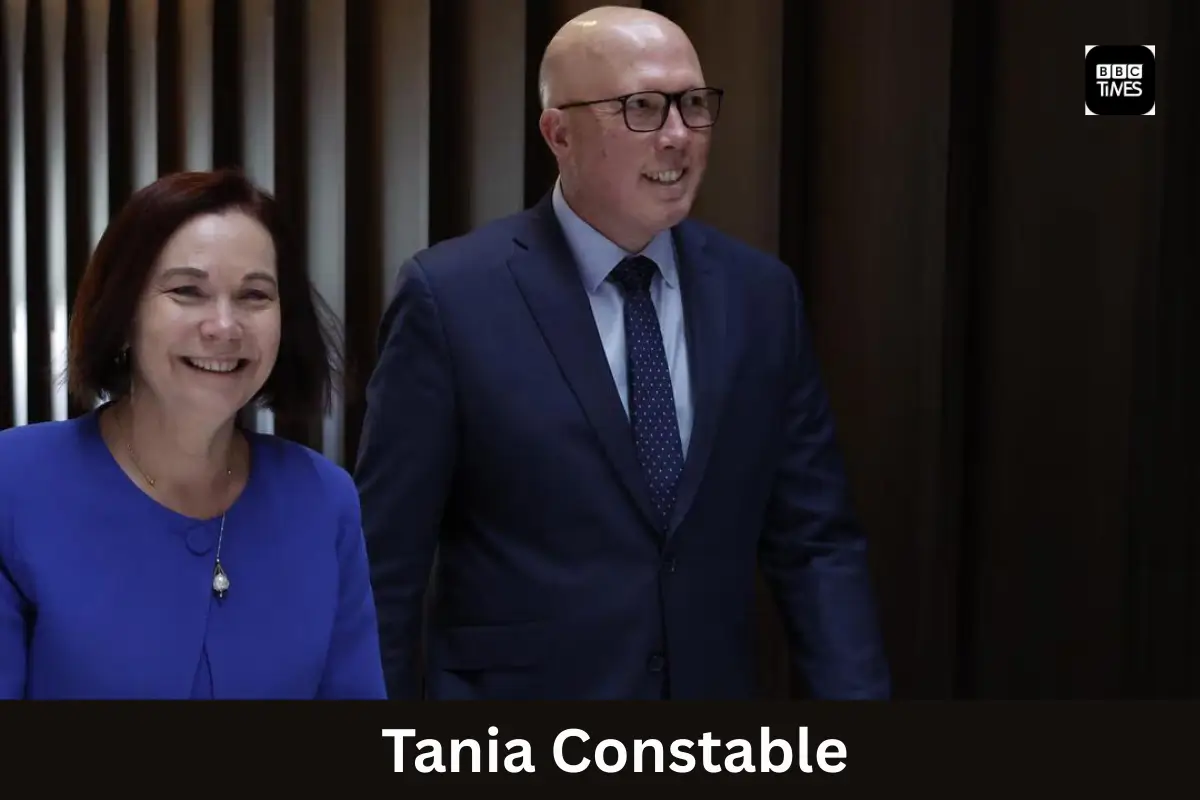
Currently holding the position of Chief Executive Officer (CEO) of the Minerals Council of Australia (MCA), Tania Constable PSM is a well-known person in Australia’s mining and energy industries. Throughout his more than 20-year career, Constable has led the way in global resource policy, sustainable mining, and policy creation, promoting the mining industry’s contribution to Australia’s economic expansion while maintaining environmental responsibility. This blog examines Constable’s background, accomplishments, and contributions to regulatory changes, energy policy, and the international mining sector.
Early Career in Policy Development and Public Service
Tania Constable started her career in public service, where she played a key role in regulating the resource industry and influencing economic policy. Constable worked on economic strategy, tax changes, and mining industry regulation while serving as Chief Adviser at the Australian Treasury. Her contributions to exploration, sustainable mining, and oil and gas regulation helped set up Australia’s mining sector for long-term success on the international stage.
The Public Service Medal (PSM) was given to Constable in 2014 in recognition of her exceptional contributions to the growth of Australia’s LNG sector. Her efforts to increase Australia’s energy exports and position the nation as a worldwide leader in LNG production were emphasised by the award.
CO2CRC Leadership: Promoting Clean Energy Technologies
Constable was the CEO of CO2CRC, an Australian research group focused on carbon capture and storage (CCS) technology, prior to heading the MCA. Low-emission technologies that would lessen the carbon footprint of mining and energy extraction were developed by CO2CRC under her direction. Constable’s advocacy for renewable energy solutions reaffirmed her dedication to environmentally friendly mining methods and making sure that Australia’s resource industry prioritised mitigating the effects of climate change.
By demonstrating that resource extraction and environmental care can coexist, her work at CO2CRC put Australia at the forefront of green technology. In her continued leadership, Constable’s worldview has remained centred on sustainable energy.
CEO of the Australian Minerals Council: Developing Global Competitiveness and Policy
Since taking over as CEO of the Minerals Council of Australia in 2018, Tania Constable has been a well-known supporter of industry expansion, regulatory changes, and sustainable mining. In his capacity as CEO, Constable has put in countless hours to guarantee that Australia’s mining industry maintains its competitiveness on a worldwide scale while reducing its negative effects on the environment.
The critical minerals industry, which includes lithium, cobalt, and rare earth elements—all of which are necessary for renewable energy technologies like solar energy and electric vehicles—has received a lot of attention. Australia will continue to play a significant role in sustainable resource extraction thanks to Constable’s leadership in promoting the nation’s participation in the global energy transition.
Constable has also spearheaded initiatives to expedite regulatory approval procedures, facilitating the launch of mining operations while guaranteeing they adhere to environmental regulations. Her support of mining breakthroughs, including AI and automation, has further solidified Australia’s mining sector’s position as a pioneer in technological development.
Promoting Policy Reform and Environmental Responsibility
Constable’s support of environmental legislation changes that strike a balance between sustainability and economic development has been a major component of her leadership at the MCA. In order to guarantee that Australia’s mining sector may expand without endangering the environment, she has worked for bipartisan policy collaboration on environmental rules.
Additionally, Constable has been a steadfast supporter of clean technology adoption and carbon reduction programmes in the mining industry. She has advocated for Australia to use energy-efficient mining technology to lessen its carbon impact and has continued to emphasise the significance of sustainable mining practices.
Australia’s position in the energy transition has been further cemented under Constable’s leadership, as the MCA has emerged as a worldwide leader in promoting sustainable mining technology.
Public Speaking, Interaction with the Media, and International Impact
Tania Constable actively promotes Australia’s mining industry in the media and as a public speaker. She often speaks on mining regulations, the global energy transition, and the need for sustainable resource extraction methods at industry conferences, policy forums, and media appearances.
Constable has brought attention to the mining industry’s contribution to combating climate change and the need of legislative changes that promote both economic expansion and environmental stewardship via her public speaking and media appearances. Australia has been positioned as a leader in sustainable mining techniques thanks to her leadership in international forums on mining policy.
Strategic Alliances and International Collaborations
Tania Constable has been instrumental in promoting international agreements and collaborations that establish Australia as a dependable source of essential minerals. The US-Australia critical minerals framework, a multibillion-dollar collaboration aimed at safeguarding global supply chains for vital minerals like lithium and rare earths, is one such instance.
Constable’s leadership has strengthened Australia’s position as a major producer of minerals needed for the development of renewable energy, and this framework is just one example. Constable’s support for more international cooperation on energy security and sustainable resource management has been strengthened by these alliances.
Honours and Acknowledgement: An Outstanding Career
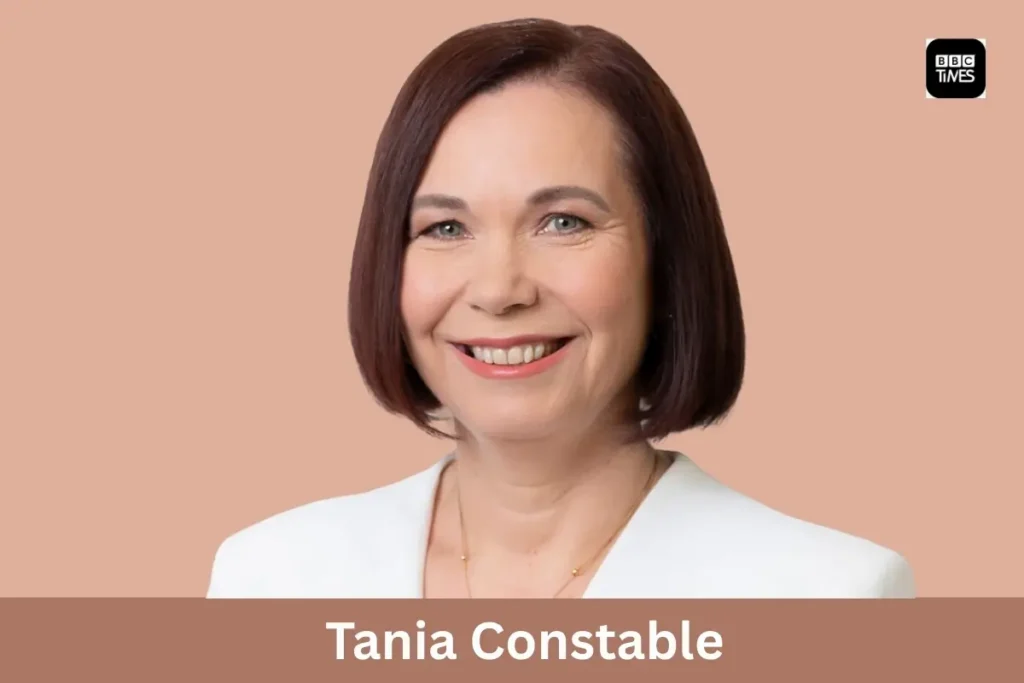
Throughout her career, Tania Constable has received several honours. In 2014, she was granted the Public Service Medal, which acknowledged her noteworthy contributions to Australia’s LNG business as well as the larger energy and resources sectors. She is now a leader in sustainable mining and energy policy thanks to her efforts to advance clean technology and regulatory change.
Constable’s innovative leadership in steering Australia’s mining sector towards a more competitive and sustainable future has earned her constant recognition.
Future Mining Vision: Global Leadership and Sustainability
Tania Constable sees innovation, sustainability, and global leadership as key components of mining’s future. In order to guarantee that the mining industry contributes to Australia’s long-term prosperity while embracing the challenges of climate change and the global energy transition, she continues to campaign for environmental responsibility, technical innovation, and bipartisan policy reform.
The MCA, led by Constable, is committed to making sure Australia maintains its position as a global mining powerhouse, particularly as the need for vital minerals rises. Her initiatives to promote innovation in sustainable mining methods will continue to influence the industry’s development, guaranteeing that Australia is a worldwide leader in resource extraction and an exemplar of environmental stewardship.
Conclusion
The future of Australia’s mining and energy industries is still being shaped by the leadership of Tania Constable PSM. Constable has shown herself to be a visionary leader in sustainable resource management from her early career in public service to her revolutionary position as CEO of the MCA. Australia is still a major role in the global energy transition because to her support of sustainable technology, international collaborations, and legislative changes.
Constable’s leadership will continue to be crucial in developing Australia’s mining industry and bringing it into line with international sustainability objectives as the country transitions to a more sustainable future.
FAQs
Who is Tania Constable?
Tania Constable PSM is the Chief Executive Officer (CEO) of the Minerals Council of Australia (MCA). She is a leader in the Australian mining and energy sectors, advocating for sustainability, regulatory reforms, and global competitiveness. Her career spans public service, energy policy, and clean energy technologies.
Who is the CEO of the Minerals Council of Australia?
The CEO of the Minerals Council of Australia (MCA) is Tania Constable PSM. She has held this position since 2018 and has led the MCA in advocating for the growth and sustainability of Australia’s mining industry.
Who is the head of the Minerals Council?
The head of the Minerals Council of Australia is Tania Constable PSM, who serves as the CEO. She has been instrumental in driving the council’s policy advocacy, promoting sustainable mining practices, and representing the mining sector in policy discussions.
Who is the Minerals Council of Australia?
The Minerals Council of Australia (MCA) is the peak industry body representing Australia’s minerals and resources sector. It advocates for policy reforms, sustainable practices, and the economic growth of the mining industry, with Tania Constable PSM as the current CEO.
Who is the highest paid female CEO in Australia?
As of recent reports, Gail Kelly, former CEO of Westpac Banking Corporation, was one of the highest-paid female CEOs in Australia. However, it’s important to note that rankings change annually based on financial reports and board compensation decisions.
Who is the richest mining lady in Australia?
The richest mining woman in Australia is often cited as Gina Rinehart, the chairwoman of Hancock Prospecting, a privately-owned mineral and mining company. Rinehart’s wealth comes primarily from her mining investments in iron ore.
Who is the richest mine owner in Australia?
Gina Rinehart is considered the richest mine owner in Australia, with her wealth deriving from her ownership of Hancock Prospecting and extensive mining operations, particularly in iron ore.
How did Nathan Tinker lose his money?
Nathan Tinker, an Australian businessman known for his involvement in mining and mineral exploration ventures, faced financial setbacks. He lost a significant portion of his wealth through bad investments and involvement in unsuccessful mining projects, compounded by market volatility and business challenges.