



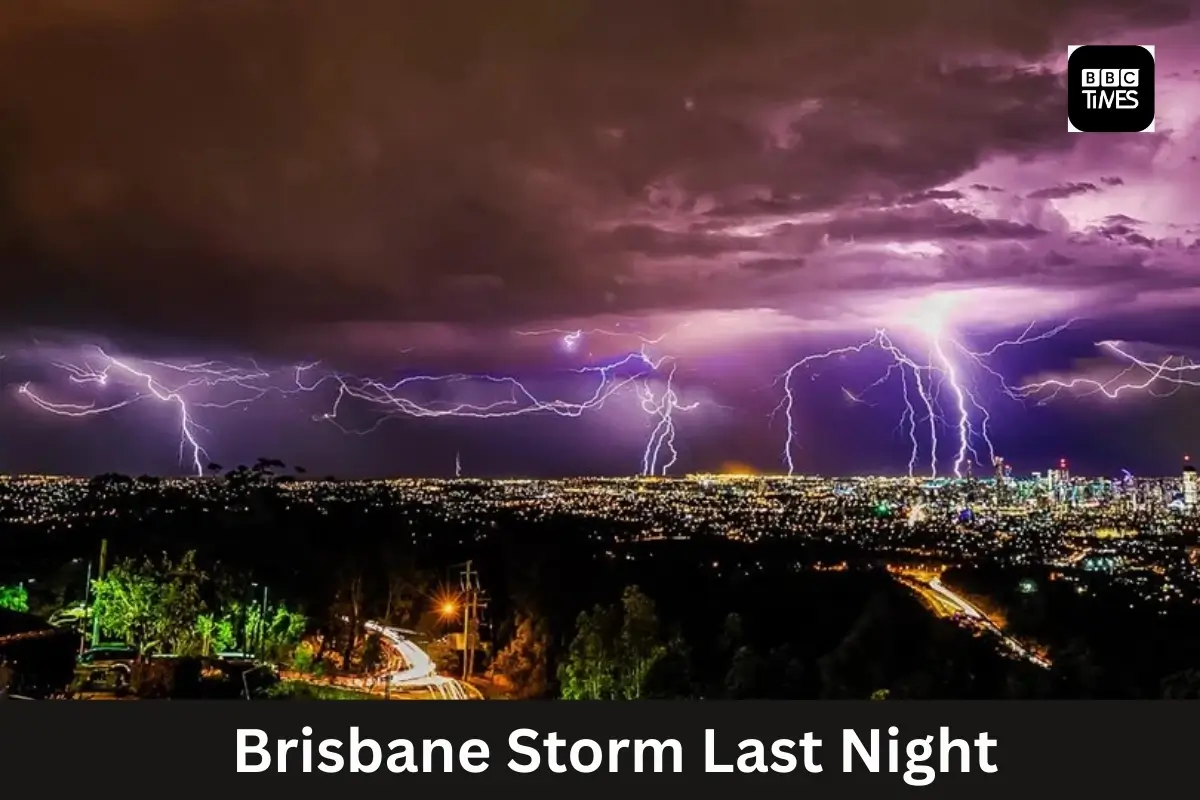
On the evening of December 26, 2025, Brisbane and much of South-East Queensland were hit by a severe storm system that caused widespread damage, power outages, and flooding risks. The Brisbane storm last night was part of a larger weather pattern, which saw the region experience damaging winds, heavy rainfall, and flash flooding. The storm left a trail of destruction and disruption, including impacts on public transport, local businesses, and homes. Below is a detailed overview of the storm’s effects, ongoing weather risks, and recovery efforts in Brisbane and surrounding areas.
The Brisbane Storm Last Night: What Happened?
The Brisbane storm last night began forming late on December 26, when the Bureau of Meteorology (BoM) issued severe storm warnings for Brisbane and Moreton Bay. The storm cells, moving from Mount Nebo to northern Brisbane suburbs such as Dayboro, Caboolture, and Strathpine, brought with them heavy rain, strong winds, and the risk of flash flooding. Some areas recorded rainfall totals of up to 50mm in just a few hours, which overwhelmed stormwater drains and caused localised flooding.
In the inner-city suburbs, like South Brisbane and Fortitude Valley, the already flood-prone areas faced serious flooding risks. The intense rainfall led to water accumulation on streets, closed roads, and delays for those trying to commute. In particular, South Brisbane experienced significant surface water flooding, affecting daily activities and mobility in the area.
Gold Coast Microburst: A More Severe Weather Event
While the Brisbane storm last night was significant, the Gold Coast experienced a more extreme weather event in the form of a microburst on Christmas Day, which continued to impact the region. A microburst, a violent, localized downdraft of wind and rain, struck around 3:00 PM, causing severe damage. Winds up to 83 km/h were recorded, and a 30-tonne crane was snapped and collapsed onto a nearby building. This damage led to evacuations at the Broadwater Tourist Park, where caravans, boats, and gazebos were destroyed.
Eyewitnesses reported that objects were thrown across streets, with some residents in panic trying to protect their belongings. Corey Parker, former Brisbane Broncos player, was at the park and described the scene as “wild” and “chaotic”. Fortunately, no one was injured, but the destruction was immense, and emergency services were immediately on-site to set up exclusion zones and assist with evacuations.
Power Outages and Public Transport Disruptions
As the Brisbane storm last night passed through the region, it caused significant power outages across Brisbane, Gold Coast, and Somerset. Over 6,000 homes were left without electricity, primarily due to fallen powerlines and storm damage. Energex crews were immediately deployed to restore power, but many residents were left without service for several hours.
In addition to power outages, public transport in Brisbane was severely impacted. Train services were delayed due to fallen trees blocking tracks, while tram services were disrupted by downed powerlines. Brisbane Airport also experienced flight delays and diversions, as the storm created hazardous conditions for air travel. Passengers at the airport were advised to check flight statuses and avoid travelling in the storm’s path.
Flash Flooding and Rainfall Across Brisbane
The heavy rainfall associated with the Brisbane storm last night caused flash flooding in several low-lying suburbs, particularly South Brisbane, West End, and Fortitude Valley. These areas, known for poor drainage systems, saw water rapidly accumulate on roads, making travel dangerous and, in some cases, impossible. In South Brisbane, residents reported that stormwater drains couldn’t cope with the downpour, resulting in street flooding.
Authorities issued flood warnings for multiple areas, urging residents to avoid driving through floodwaters. Flooding risks were particularly high in low-lying areas where surface water collected and caused disruption to daily life. Despite the flood risks, no major injuries or fatalities were reported, though recovery efforts are ongoing as teams work to clear flooded areas and damaged roads.
Tracking the Brisbane Storm Last Night: BoM Resources
For residents of Brisbane and South-East Queensland, staying informed about storm risks and severe weather warnings is crucial. BoM’s Thunderstorm Tracker and live radar provide real-time updates and allow users to track storm cells as they develop.
Here are the key resources for monitoring storm activity and weather warnings:
- BoM Thunderstorm Tracker: Thunderstorm Tracker – BoM
- BoM Radar: Live Radar – BoM
- BoM Warnings Page: Weather Warnings – BoM
Recovery Efforts and Ongoing Weather Risks
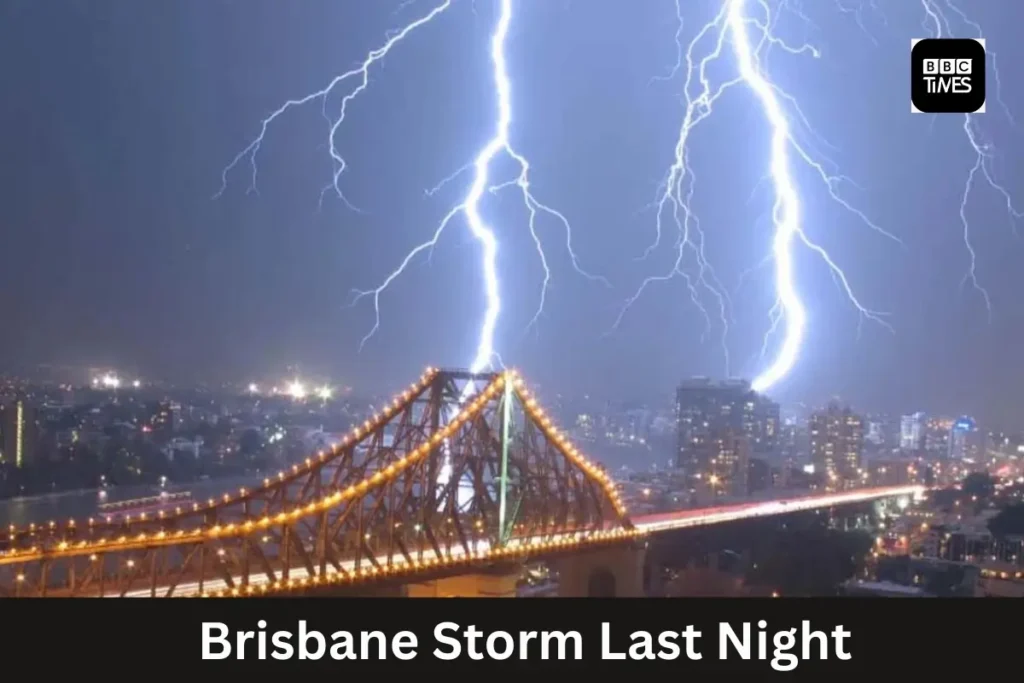
While the Brisbane storm last night has passed, recovery efforts are underway in both Brisbane and the Gold Coast. Local authorities are focused on cleaning up debris, restoring power, and repairing damaged infrastructure. In particular, the microburst on the Gold Coast has required extensive efforts to stabilize the damaged crane, and temporary housing has been provided to displaced families.
Meanwhile, northern Queensland continues to experience severe weather, with 300mm+ rainfall expected over the next few days. Flood risks remain high, particularly in areas like Townsville and Cairns. Authorities have warned of possible riverine flooding and urged residents to be prepared for flood warnings and road closures.
The weather system is also expected to continue affecting South-East Queensland, with additional storm cells likely to develop over the coming days. BoM’s continued warnings indicate that the region should prepare for further rain, hail, and wind.
Key Takeaways from the Brisbane Storm Last Night
- Severe thunderstorms and flash flooding affected Brisbane and South-East Queensland on December 26, with damaging winds and heavy rain causing significant disruptions.
- A microburst on the Gold Coast caused extensive damage, including the collapse of a crane and destruction at Broadwater Tourist Park.
- Over 6,000 homes were without power in Brisbane, Gold Coast, and Somerset, with Energex crews working to restore service.
- Flash flooding in South Brisbane and West End caused street closures and hazardous driving conditions.
- Ongoing storm warnings and flood risks for northern Queensland, with heavy rain and storm activity expected to continue.
Conclusion
The Brisbane storm last night on December 26, 2025, was a powerful reminder of the unpredictable nature of severe weather in South-East Queensland. While Brisbane itself experienced heavy rain, flash flooding, and damaging winds, the Gold Coast bore the brunt of an even more intense microburst, causing widespread property damage, power outages, and disrupting holiday celebrations. Despite the significant impacts, no fatalities were reported, and recovery efforts are already underway across affected regions.
With flood warnings still in place for northern Queensland and ongoing storm risks in South-East Queensland, it is important for residents to stay informed and remain vigilant. Tools like BoM’s Thunderstorm Tracker and live radar are invaluable for tracking real-time storm developments and understanding the ongoing weather risks.
As we move into the new year, it’s crucial for everyone in Brisbane and surrounding areas to be prepared for potential future storms. Stay safe, secure property, and monitor weather alerts to ensure readiness for any additional weather events. The Brisbane storm last night serves as a stark reminder that nature’s power can strike at any time, and preparation is key to staying safe during such extreme weather events.
FAQs
Has there been a cyclone in Brisbane?
While Brisbane is not typically in the direct path of cyclones, it can experience cyclone remnants and severe weather associated with tropical systems. Cyclones that affect Queensland can bring heavy rain and winds to Brisbane, especially in the aftermath.
Where was the hail damage in QLD?
Hail damage in Queensland has been reported in regions such as Brisbane, the Gold Coast, and Sunshine Coast. Severe storms in these areas often bring large hailstones that can damage roofs, cars, and crops.
Has ex-cyclone Alfred hit Brisbane yet?
Ex-cyclone Alfred impacted Queensland in early 2025 as it weakened into a low-pressure system. It brought heavy rainfall and strong winds to Brisbane and the Gold Coast but did not result in direct cyclone-level damage.
Was there a tornado in the Brisbane River?
There have been occasional tornadoes in the broader Queensland region, but none were specifically recorded along the Brisbane River. Tornadoes in Brisbane are rare, but severe storms in the area can create conditions conducive to small-scale tornado activity.
What areas flooded in Brisbane?
South Brisbane, West End, and Fortitude Valley are some of the areas that experience flooding during heavy rainfall. Low-lying suburbs with poor drainage systems are often the hardest hit when flood risks are high.
Did Cyclone Debbie hit Brisbane?
Cyclone Debbie impacted Queensland in March 2017, but it did not directly hit Brisbane as a Category 4 cyclone. However, it caused severe flooding, power outages, and widespread damage across north Queensland and southern parts of Brisbane.
Has a tornado ever hit Brisbane?
Yes, Brisbane has experienced tornadoes, though they are relatively rare. The most recent confirmed tornado in Brisbane occurred during a severe storm in 2014, which caused damage to homes and vehicles in some suburbs.
When was the last Brisbane flood?
The most recent major flood in Brisbane was in February 2022, where heavy rain caused flash flooding in several suburbs. Brisbane has a history of severe flooding, with the 2011 Brisbane floods being one of the most significant events in the city’s history.