
DroneShield news today continues to dominate Australian financial headlines, with the company experiencing one of the most dramatic downturns seen on the ASX in recent memory. The defence-technology firm, once celebrated for its rapid global expansion and strong counter-drone innovation, is now engulfed in a crisis defined by collapsing investor confidence, governance concerns and a share-price fall so sharp that it has stunned even seasoned analysts. What began as a year of exceptional growth has quickly unraveled due to director share dumps, a damaging contract correction, the sudden resignation of a key executive in the United States and the controversial cancellation of a critical investor call.
The Rise Before the Fall
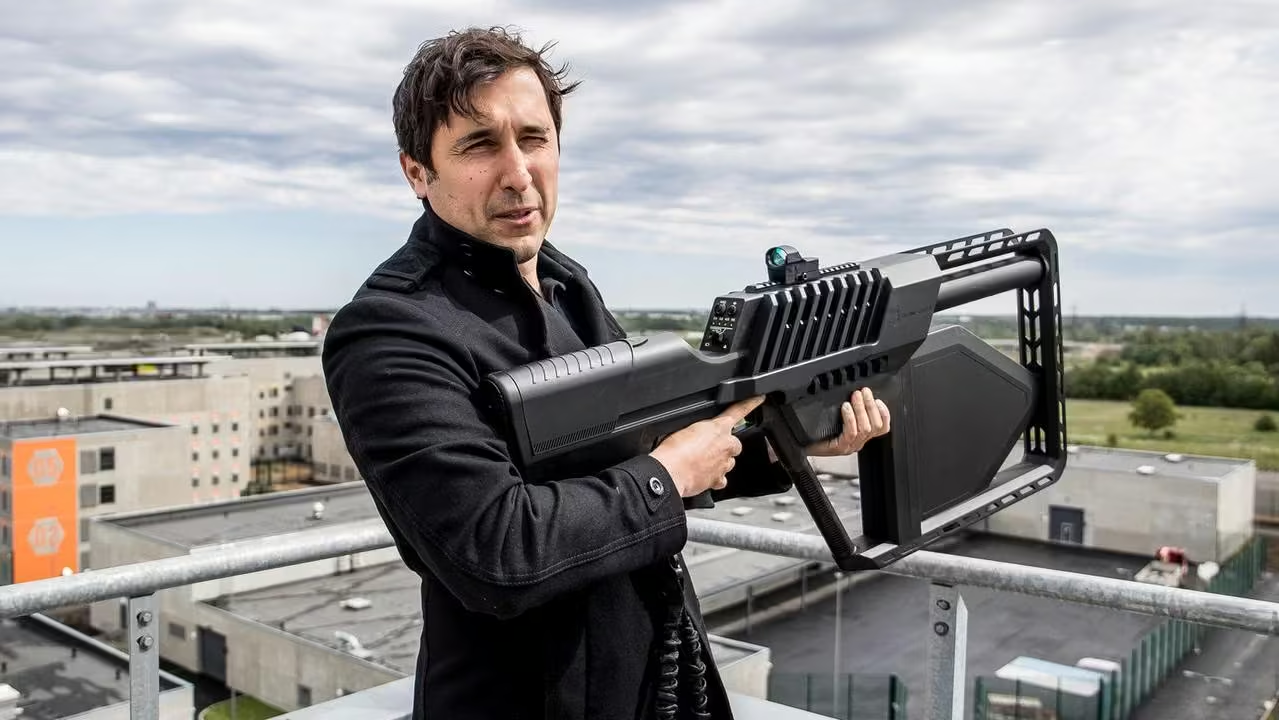
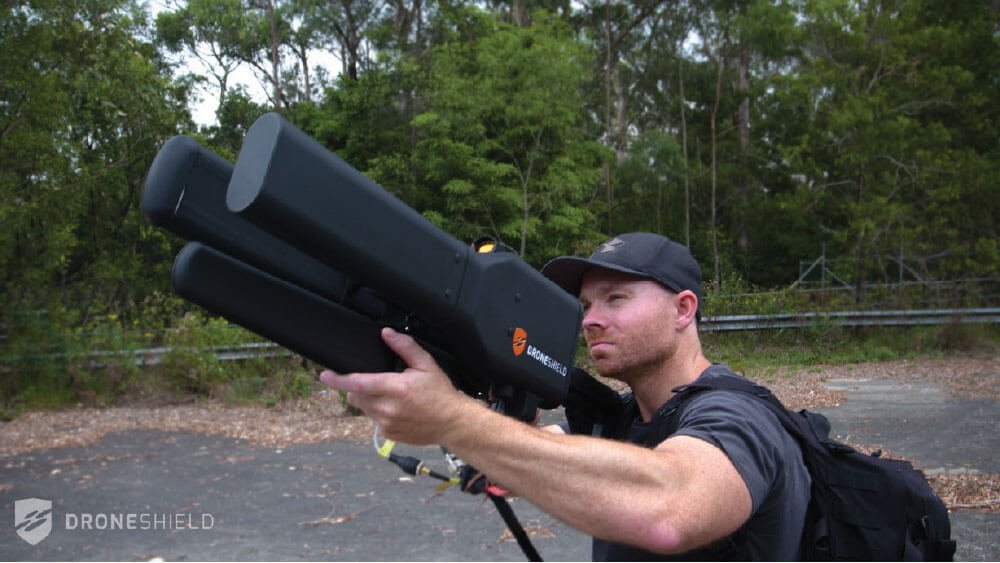
DroneShield entered 2025 as one of Australia’s brightest defence-tech success stories. The company’s anti-drone products, including DroneGun and DroneSentry platforms, attracted strong interest from international clients, government agencies and military forces. Its share price reflected this enthusiasm, soaring to an all-time high of $6.70 in early October and helping lift the broader ASX Small Ordinaries Index. Investors saw DroneShield as a symbol of Australia’s expanding sovereign defence capability and a rare local company competing at scale in a rapidly growing global security market. The optimism was justified at the time: contract wins, increasing revenue and expanding U.S. operations painted the picture of a company on an unstoppable rise. But the dramatic shift in DroneShield news today shows how quickly momentum can disappear when trust is broken.
Director Share Sales Trigger Market Shock
The crisis began when DroneShield disclosed that three senior directors — CEO Oleg Vornik, Chairman Peter James and Non-Executive Director Jethro Marks — sold close to $70 million worth of shares within six days. These shares came from the exercise of more than forty-four million performance options that vested once the company reached a rolling twelve-month revenue milestone. Investors reacted with disbelief when it became clear that the directors had sold nearly every share they held after the option vesting. Reuters reported that DroneShield shares lost seventy-five per cent from their peak and erased billions of dollars in market value, sparking concern that the company’s leadership no longer believed in the stock’s future.
DroneShield attempted to defuse the controversy through a lengthy ASX statement. The company said that investors should have expected the share disposals because the exercise of performance options typically triggers large tax liabilities. It emphasised that there was no coordinated arrangement among the directors, stating that “DroneShield has been informed by the directors that they did not have an agreement to dispose of all (or any part) of their DroneShield shares.” Despite this defence, the explanation failed to calm markets. The optics were deeply damaging: none of the three senior directors now hold ordinary shares in the company.
A Contract Blunder Fuels Doubts About Governance
The timing of the share sales was made worse by a contract announcement error that surfaced days earlier. DroneShield had issued a statement celebrating what it described as a new $7.6 million order from the U.S. Government. Soon after, the company was forced to correct the announcement when it realised that the contracts had been disclosed previously and were not new. The company acknowledged that a U.S. representative failed to perform the required checks before releasing the announcement. Although DroneShield appointed external auditors HLB Mann Judd to examine its processes, the correction raised questions about internal controls, accuracy in reporting and the company’s readiness to operate at global scale.
Investors now saw two troubling signals at once: leadership selling large portions of their holdings and a major disclosure error involving defence contracts. DroneShield news today reflects how this combination eroded confidence and fuelled speculation about the company’s internal operations.
The Abrupt Resignation of the U.S. CEO
The situation worsened when DroneShield confirmed the sudden resignation of its U.S. CEO, Matt McCrann. The United States represents one of DroneShield’s most significant and profitable markets, and McCrann’s leadership was instrumental in expanding operations there. His departure, announced without context or explanation, prompted further uncertainty about the company’s direction. Bloomberg reported the resignation as a major blow, noting that leadership changes in a fast-growing tech firm often indicate deeper issues or strategic misalignment. For investors already rattled by governance concerns, the resignation intensified fears about instability within the company’s highest ranks.
Investor Call Cancelled at the Worst Possible Time
In what many described as the most damaging decision in the crisis, DroneShield abruptly cancelled an investor call scheduled to address shareholder questions. The Australian Financial Review reported that investors were invited to submit questions ahead of the call, expecting clear communication amid the growing turmoil. Instead, the call was cancelled on the morning it was meant to take place. The cancellation triggered fresh selling, with the stock falling more than twelve per cent during the session. At a time when transparency was needed most, DroneShield’s silence created the impression that management was either unprepared or unwilling to confront the crisis. DroneShield news today repeatedly points to this cancellation as a turning point in the market’s loss of confidence.
ASX Pressure and Public Scrutiny Intensify
The ASX questioned DroneShield about the director’s share disposals, forcing the company to provide detailed explanations. DroneShield insisted that sales were performed according to listing rules and that it was not aware of the disposals until after market close. It argued that the directors had not sold their entire security holding because they retained vested performance options. But for many investors, this response did little to change the perception that insiders acted in a way that undermined shareholder trust. Analysts noted that governance, disclosure quality and communication practices all came under serious scrutiny. DroneShield news today shows that the ASX is expected to continue monitoring the situation closely.
Investor Sentiment Hits Breaking Point
As the share price collapsed to levels last seen in June, investor sentiment sharply deteriorated. Short sellers aggressively increased their positions, with regulatory data showing a sixty-two per cent surge in short interest over two weeks. Analysts warned that until governance, stability and clarity improve, the stock may struggle to recover. Some investors quoted in Reuters argued that confidence has been “severely damaged” after the directors sold “every single share.” Reddit and HotCopper communities expressed anger, disappointment and concern, with some calling the situation one of the most significant governance failures in recent ASX tech history.
Rebuilding Trust: What DroneShield Must Do Next
DroneShield’s future depends on its ability to restore confidence through stronger governance frameworks, clearer communication with shareholders and more accurate reporting systems. The company must demonstrate that it can maintain operational momentum, secure contracts and develop products while addressing the concerns raised by investors and analysts. DroneShield must show that its leadership is aligned with long-term value creation rather than short-term gains.
DroneShield news today shows a company at a pivotal moment. Once known as one of Australia’s most exciting defence-tech innovators, it now faces the challenge of rebuilding trust while navigating intense public scrutiny. Its technology remains respected, and the market for counter-drone systems continues to grow worldwide. But regaining credibility will require decisive action, transparency and a renewed commitment to investor confidence.
Growing Concerns Among Australian Investors
- Retail investors have expressed frustration across Reddit, HotCopper and social platforms as the share price continues to slide.
- Many shareholders believe the timing of director share disposals was inappropriate during a period of peak valuation.
- Some investors fear further volatility as short sellers increase their positions.
- Calls are growing for stronger governance rules for ASX-listed tech and defence companies.
- Analysts warn that rebuilding confidence may take months, not weeks.
Key Events That Triggered the DroneShield Crisis
- The sudden sale of nearly $70 million in shares by three senior directors.
- A contract announcement corrected after being mistakenly presented as new business.
- The abrupt resignation of the U.S. CEO Matt McCrann during a sensitive period.
- Cancellation of a scheduled investor call that was meant to calm the market.
- A sharp 75% drop in the company’s share price within weeks.
What Investors Want From DroneShield Going Forward
- Clear, consistent and transparent communication from the board and executive team.
- More detail on contract pipelines and future revenue stability.
- Stronger internal controls to avoid further disclosure errors.
- Reassurance that leadership remains committed to long-term growth.
- Improved governance frameworks that demonstrate accountability.
Conclusion
DroneShield’s rapid fall from a market favourite to a company facing intense scrutiny is one of the most dramatic reversals seen on the ASX in recent years. At the centre of the crisis are issues that go beyond a simple share-price correction. Investor confidence has been shaken by the scale and timing of director share disposals, the correction of a major contract announcement, the sudden exit of a senior U.S. executive and the unexpected cancellation of an investor call designed to provide clarity. These events have raised serious questions about governance, disclosure accuracy, leadership stability and the company’s overall readiness to manage rapid growth.
Despite the turmoil, DroneShield remains a major player in the global counter-drone market, and its technology continues to hold strong international demand. However, the company’s future now depends on whether it can demonstrate transparency, accountability and a renewed commitment to shareholders. DroneShield must rebuild trust step by step, beginning with stronger communication, tighter internal controls and stable leadership. Until then, DroneShield news today will continue reflecting a company at a critical crossroads — one that must now prove it can recover credibility as effectively as it once captured the market’s imagination.
FAQs
Why is DroneShield dropping?
DroneShield is dropping due to a combination of director share disposals worth nearly $70 million, a contract announcement error that damaged confidence, the sudden resignation of the U.S. CEO and the cancellation of a key investor call. These events triggered heavy selling and a sharp rise in short positions.
Are DroneShield shares worth buying?
Whether DroneShield shares are worth buying depends on your risk tolerance. The company still holds strong growth potential in the defence-tech sector, but the governance issues, leadership instability and recent share-price volatility mean investors should approach with caution.
What is the forecast for DroneShield ASX?
Analysts believe the stock may remain unstable until the company restores investor trust, improves governance controls and provides clearer updates on contract pipelines. Forecasts vary widely, and the next few months will be crucial for future direction.
Who owns DroneShield stock?
DroneShield is widely held by retail investors, institutional funds, and defence-tech focused investment groups. Recent director sales mean senior executives currently hold performance options rather than ordinary shares, which has heightened scrutiny around insider ownership.
What are the top 3 AI stocks to buy now?
Popular AI-related stocks frequently mentioned in Australia include companies involved in cloud computing, machine learning infrastructure and automation technologies. Choices vary depending on market conditions, risk appetite and investment strategy.
What are the risks of investing in DroneShield?
Key risks include governance concerns, market volatility, leadership turnover, contract uncertainty and the potential for further disclosure issues. As a defence-tech company, DroneShield also faces regulatory risks tied to government contracts and export controls.
What stocks will boom in 2025 in Australia?
Sectors expected to perform strongly include defence technology, renewable energy, critical minerals, AI infrastructure and healthcare technology. However, performance depends on broader market conditions and global economic factors.
Who owns 88% of the stock market?
Globally, institutional investors such as pension funds, asset managers, hedge funds and large financial institutions control the majority of equity markets. These entities collectively manage trillions of dollars in assets, giving them significant influence over market movements.