



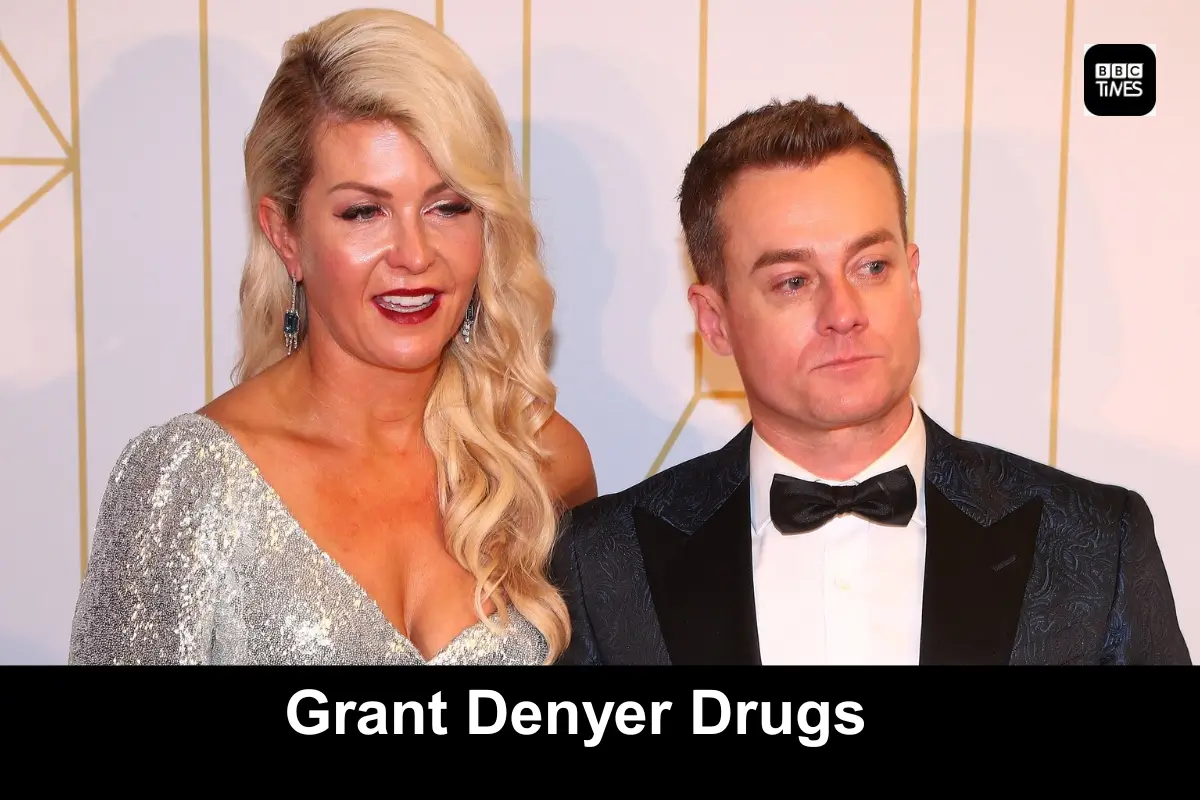
Grant Denyer has spoken with striking honesty about a period of his life marked by injury, dependence on prescription pain medication and a loss of control that nearly unravelled everything he had built. The Australian television presenter has described the experience as frightening, humiliating and something he still struggles to think about without shame.
His story came back into focus during a candid interview on Nova’s Jase & Lauren, where Denyer revisited the moment he believes his addiction began, the night he hit rock bottom, and the long road back that followed.
This is not a story of criminal drug use. It is a story about medical pain relief, psychological decline and the personal cost of opioid dependence after serious injury.
The Accident That Changed His Life
In 2008, Denyer suffered a broken back after a monster truck accident in New South Wales. The injury was severe, causing constant pain, restricted movement and a lengthy rehabilitation period.
Doctors prescribed strong opioid painkillers to manage the trauma. At the time, the focus was on easing physical pain and stabilising his condition. Little attention was given to how extended use of such medication could affect his mental health or create dependence.
That absence of warning would later prove critical.
When Pain Relief Turned Into Dependence
During recovery, Denyer relied on opioid medication including Endone and morphine. What began as pain control slowly became something he could not function without.
He has explained that dependence did not arrive suddenly. It developed quietly, reinforced by routine use and ongoing pain. Over time, the medication began to shape his mood, thinking and emotional responses.
Looking back, Denyer has said the most dangerous part was how normal it all felt while it was happening.
Psychological Decline and Loss of Reality
As reliance on painkillers deepened, Denyer’s mental state deteriorated. He experienced paranoia, confusion and hallucinations that blurred the line between dreams and reality.
Sleep offered no relief. He has described waking from vivid nightmares only to find the fear and confusion continued into the day. Decision-making became impaired, memory unreliable and judgement distorted.
These symptoms persisted over time, slowly eroding his ability to recognise how far things had slipped.
The Toll on His Wife and Home Life
Denyer has spoken with deep remorse about the impact his addiction had on his wife, Chezzi. During this period, she became both partner and carer, supporting him physically while enduring emotional instability and fear-driven behaviour.
He has admitted to saying and doing things he now finds deeply embarrassing, describing his behaviour as humiliating and destructive. The strain on their relationship was constant, and the emotional damage did not disappear once the addiction ended.
This remains one of the hardest parts of the story for him to revisit.
The Night He Hit Rock Bottom
One incident stands as the clearest symbol of how far addiction had taken him.
Living in a Sydney CBD apartment, Denyer left home in the middle of the night wearing only his underwear. In a drug-affected state, he believed he was searching for scotch. Still recovering from his broken back, he became disoriented and lost within the building.
His wife searched for him for hours, panicked and unsure where he was or whether he was safe. She eventually found him asleep on the floor of a fire stairwell, injured, confused and barely able to move.
Denyer has said that image is burned into his memory and acts as a permanent reminder of how addiction strips away awareness, dignity and safety.
Maintaining a Public Image While Falling Apart
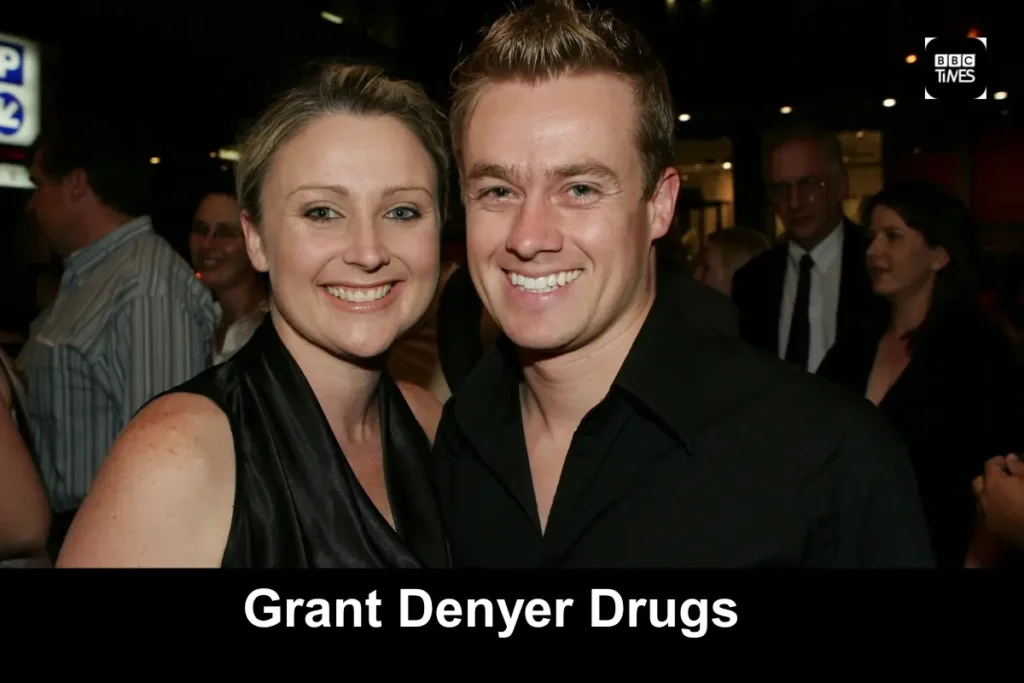
Despite the chaos unfolding privately, Denyer continued appearing on television. To viewers, he seemed energetic and in control. Off camera, he was mentally unwell and struggling to cope.
He has since acknowledged that maintaining this split between public performance and private collapse only delayed the point at which he was forced to confront his dependence.
Seeking Help and Beginning Recovery
Eventually, Denyer sought help to address his reliance on pain medication. Recovery required confronting physical dependence, repairing psychological damage and rebuilding trust at home.
He has never described recovery as quick or easy. Instead, it involved accountability, support and a gradual process of relearning how to live without medication that once dictated his daily existence.
Career Recovery and Personal Milestones
After recovery, Denyer slowly rebuilt his professional life. His career regained stability and momentum, culminating in a major milestone when he won the Gold Logie in 2018.
The award carried significance beyond career success. It marked survival after a period when he felt close to losing his health, marriage and future.
Police and Court Context Explained Clearly
Denyer’s addiction story does not involve drug arrests, charges or criminal proceedings.
The only police-related reporting connected to his name concerns a separate motorsport rally crash in 2017, where authorities stated there would be no investigation due to competition regulations. That incident was unrelated to drugs, addiction or substance use.
In earlier years, Denyer denied tabloid claims suggesting illicit drug involvement. Those claims did not lead to criminal charges, civil rulings or court outcomes.
There is no record of Denyer facing court action for drug offences.
Why His Story Resonates in Australia
Denyer’s experience reflects a broader issue within Australia: dependence on prescription opioids following injury. His story highlights how addiction can begin through medical treatment, not recklessness, and how warning signs are often missed until serious harm has occurred.
It also shows how difficult it can be to recognise addiction while living inside it.
Net Worth
Grant Denyer’s net worth is generally estimated to be in the low–to–mid millions of Australian dollars, built over more than two decades in television, radio and media. His income has come primarily from long-running roles as a TV host, including major prime-time programs such as Deal Or No Deal, Family Feud and Dancing With The Stars, along with radio presenting and commercial appearances.
A significant contributor to his financial standing was winning the Gold Logie in 2018, which increased his profile and earning power within the Australian entertainment industry. Like many media personalities, his income has fluctuated over the years, particularly during periods of injury, recovery and career transitions. Overall, Denyer’s net worth reflects a sustained career at the top level of Australian broadcasting rather than short-term celebrity earnings.
Timeline of Key Events
- 2008 – Monster truck accident leaves Denyer with a broken back
- 2008–2010 – Long recovery period involving opioid pain medication
- Following years – Dependence on prescription painkillers develops
- Lowest point – Leaves CBD apartment at night and is later found in a stairwell
- Afterwards – Seeks help and begins recovery
- 2017 – Rally crash; police state no investigation under competition rules
- 2018 – Wins the Gold Logie
- Recent years – Speaks openly about addiction, shame and recovery
Conclusion
Grant Denyer’s experience shows how easily a life can unravel when serious injury and powerful prescription medication collide. What began as treatment for a broken back slowly turned into dependence, affecting his mental health, his marriage and his sense of reality, all while he continued to appear successful in public. His story is not about crime or scandal, but about the hidden risks of opioid painkillers and how addiction can take hold without warning. By reflecting openly on shame, recovery and responsibility, Denyer’s journey stands as a reminder that addiction does not discriminate, and that recognising the problem and seeking help is often the hardest, yet most important, step forward.
FAQs
What are the allegations against Grant Denyer?
Grant Denyer has faced tabloid claims in the past suggesting drug issues, which he denied. There are no criminal charges, arrests or court findings against him related to drugs.
What did Grant Denyer do?
Grant Denyer is an Australian television and radio presenter. He has spoken about struggling with dependence on prescription pain medication following a serious back injury, and later seeking help and recovery.
Why did Grant Denyer collapse?
Grant Denyer has explained that physical injury, reliance on pain medication and declining mental health contributed to periods where he struggled to cope, leading to personal and emotional breakdown rather than a single public collapse.
What car accident was Grant Denyer in?
Grant Denyer was involved in a monster truck accident in 2008, which resulted in a broken back. He was also involved in a separate rally crash in 2017, which was unrelated to addiction.
How many times has Grant Denyer married?
Grant Denyer has been married once. He is married to Chezzi Denyer, and they have spoken openly about the challenges they faced during his recovery period.
What are the allegations against R.C. Sproul?
There are no criminal allegations against R.C. Sproul. He was a Christian theologian and pastor, and discussions around him generally relate to theological views, not legal or criminal matters.
What did Grant Denyer do to his back?
Grant Denyer broke his back in a monster truck accident in 2008, suffering serious spinal injuries that required long-term recovery and pain management.
What was the Australian Knitting Mills defence?
The Australian Knitting Mills defence refers to a landmark Australian negligence case where the manufacturer argued it was not liable for injury. The court rejected this, shaping modern consumer protection and duty of care law.