




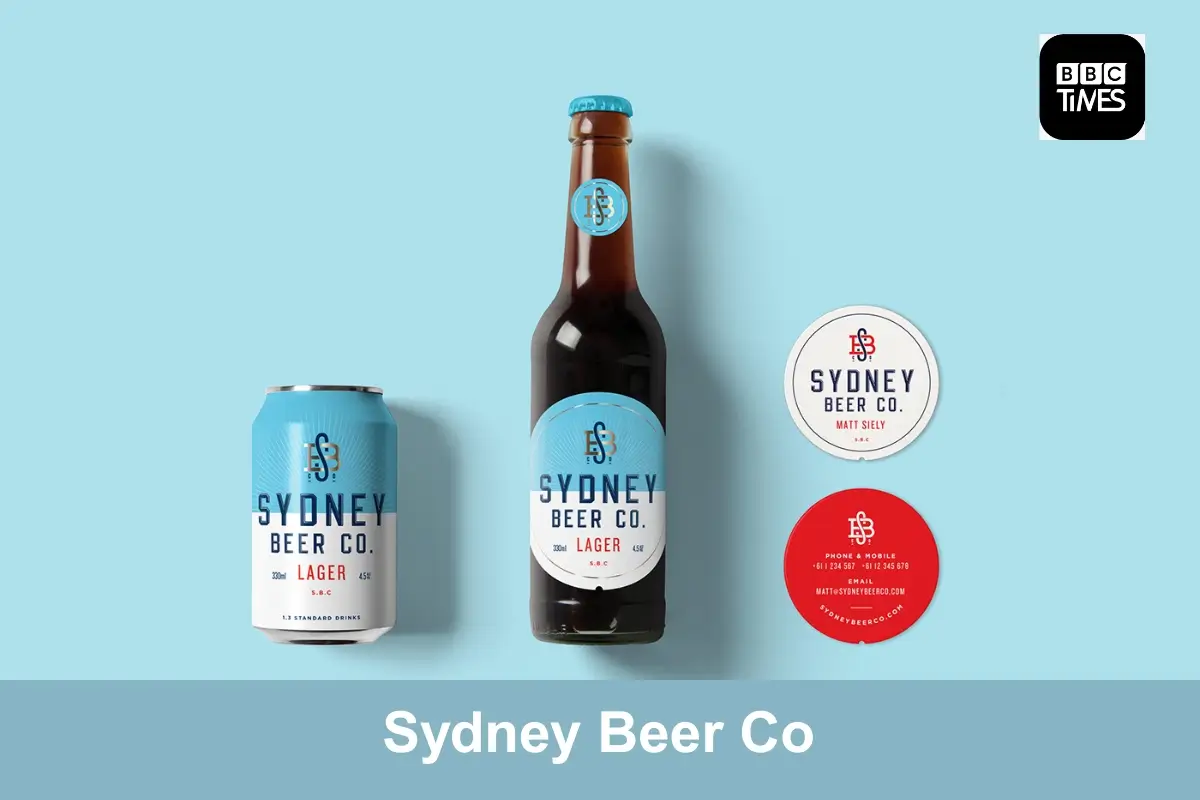
Sydney Beer Co entered the Australian beer market with a confident proposition: create a premium lager that felt unmistakably Sydney-born, approachable to everyday drinkers, and capable of competing nationally and internationally. Launched in 2016, the brand grew quickly, supported by strong marketing, recognisable ownership, and wide retail access. By the early 2020s, Sydney Beer Co had established itself in hundreds of venues across Australia and was pushing into overseas markets.
Yet despite raising more than $6 million and expanding into the United States, Sydney Beer Co entered voluntary administration in 2025. The collapse did not happen in isolation. It occurred during a period of sustained pressure on Australia’s brewing industry, where rising costs, declining beer consumption, and repeated tax increases have reshaped the commercial landscape.
This article gathers all verified, publicly available information on Sydney Beer Co and places it within the broader context of Australia’s beer industry. It examines the company’s origins, ownership, product strategy, pricing, distribution model, international expansion, financial structure, administration process, and post-administration outcome — while also explaining the wider forces that contributed to its downfall.
Founding and Early Vision
Sydney Beer Co was founded in 2016 under the registered entity Sydney Beer Co Pty Ltd (ACN 613 413 013), with its registered office listed in Milsons Point, New South Wales. The company launched with a clear and narrow focus: produce “Sydney’s premium lager – a beer Sydneysiders would be proud to call their own”.
At the time, the Australian beer market was already crowded. Major multinational producers dominated shelf space, while hundreds of independent breweries competed for attention through craft styles, limited releases, and local taprooms. Sydney Beer Co chose a different approach. Rather than chasing variety, the brand focused on a single core beer that could be brewed at scale and marketed nationally.
This decision shaped everything that followed, from production planning to distribution agreements and pricing.
Ownership and Public Identity
Sydney Beer Co was co-owned by Brett Lee, former Australian international fast bowler, and Matt Nable, Australian actor and writer. Their involvement gave the brand immediate recognition beyond traditional beer circles, particularly during its early growth phase.
Australian reporting consistently clarifies that while Lee and Nable were owners, Brett Lee was not a director of the company and was not responsible for daily operations or financial management. The company’s operational control, budgeting, and expansion decisions were handled by its internal management team and board structure.
This distinction became important as the company’s financial position deteriorated, ensuring clarity around governance and responsibility.
The Product: A Single-Beer Strategy
Sydney Beer Co’s flagship and largely sole product was a premium Australian-style lager. Marketed as preservative-free and easy-drinking, the beer was designed to appeal to a wide audience rather than a niche craft segment.
The advantages of this strategy were clear:
- Consistent flavour profile
- Streamlined production
- Strong brand recognition
- Easier national and international distribution
However, the limitations were equally significant. As Australian drinking habits shifted toward low-alcohol beers, spirits, and ready-to-drink products, Sydney Beer Co had limited ability to pivot. Unlike competitors with diverse portfolios, the business remained heavily reliant on one product.
Pricing and Retail Positioning
Before entering administration, Sydney Beer Co’s lager occupied a mid-premium price point in Australia.
- Single 330 ml bottles priced at approximately $5 to $6
- Six-packs selling for around $16 to $22
- 24-pack cartons retailing for about $45 to $60, depending on retailer and promotions
This pricing placed Sydney Beer Co above mass-market lagers while remaining more accessible than many independent craft beers. The aim was to attract regular drinkers seeking something familiar but slightly elevated in quality and branding.
Distribution Model and Domestic Reach
One of Sydney Beer Co’s major achievements was its distribution footprint. At its peak, the beer was:
- Stocked by independent bottle shops
- Listed with Endeavour Group retailers, including Dan Murphy’s and BWS
- Available in pubs, bars, and hospitality venues nationwide
Australian reporting confirms that Sydney Beer Co was stocked in more than 350 venues across the country, a notable reach for an independent brand without its own hospitality venues.
However, wide distribution also came with costs. Large retail agreements often involve tight margins, promotional spending, and logistics expenses that can strain cashflow, particularly when combined with rising production and freight costs.
Exports and Overseas Expansion
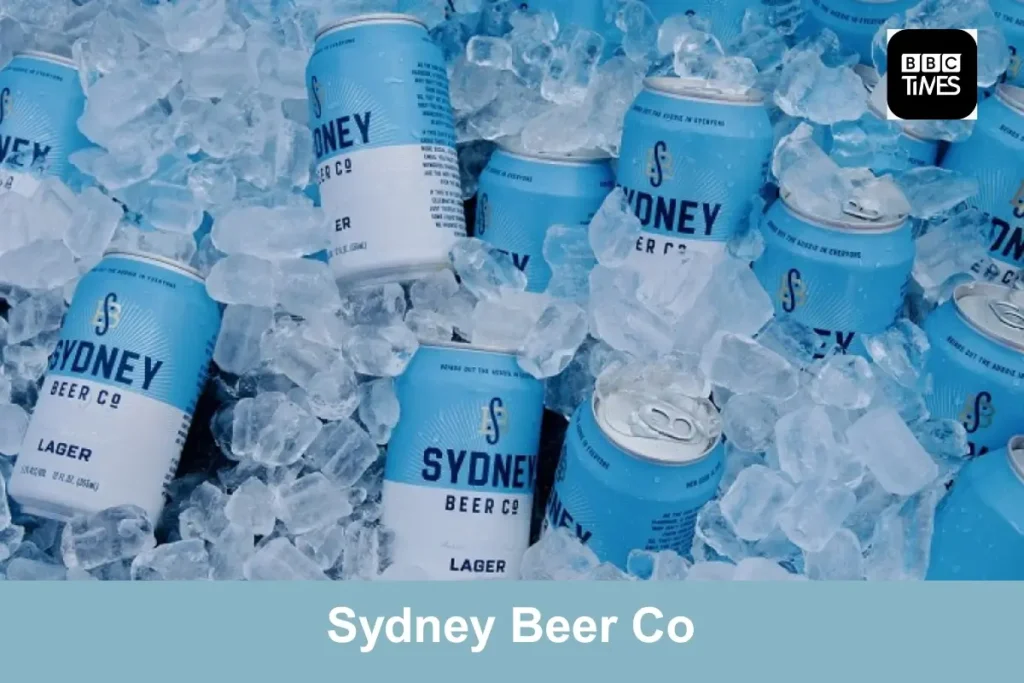
International expansion became a key pillar of Sydney Beer Co’s growth strategy. Prior to administration, the company had established export channels to Malaysia, providing a foundation for overseas sales.
The most ambitious move came with expansion into the United States, particularly Southern California. The US market was seen as an opportunity to position Sydney Beer Co as an Australian lifestyle brand, tapping into demand for imported beers and premium lagers.
To fund this expansion, Sydney Beer Co raised more than $6 million, according to Australian business reporting. The capital was directed toward:
- Increasing production capacity
- International logistics and freight
- Marketing and brand activation
- Distribution partnerships in the US
Crucially, this capital raise occurred only months before the company entered voluntary administration, leaving little time for overseas sales to offset rising costs.
The Australian Beer Industry Context
Sydney Beer Co’s collapse cannot be understood without examining the broader environment facing Australian brewers.
Beer Excise Pressure
Beer in Australia is subject to excise increases twice yearly, indexed to inflation. These increases raise wholesale and retail prices, squeezing margins for brewers and making beer less affordable for consumers. Independent breweries often feel this pressure more acutely than large multinational producers.
Cost-of-Living Impact
As living costs rose across Australia, discretionary spending declined. Beer consumption fell as consumers reduced spending on hospitality and alcohol, or shifted toward cheaper alternatives.
Changing Drinking Habits
Australian drinking habits have evolved significantly over the past decade. Growth in spirits, RTDs, and low- or no-alcohol products has reduced traditional beer consumption. For brands heavily reliant on one beer style, adapting to these shifts proved difficult.
Rising Operating Costs
Brewers faced higher costs for:
- Ingredients
- Energy
- Labour
- Freight and packaging
These pressures compounded the financial strain created by expansion and distribution commitments.
Sydney Beer Co explicitly cited this difficult trading environment in documents lodged with the Australian Securities and Investments Commission (ASIC) when entering administration.
Entry into Voluntary Administration
In early 2025, Sydney Beer Co Pty Ltd entered voluntary administration. Richard Stone and Brett Lord, partners at RSM Australia, were appointed as administrators, and a creditors’ meeting was held soon after.
Voluntary administration is designed to give financially distressed companies temporary protection while administrators assess the business, investigate causes of failure, and consider possible outcomes.
RSM Australia stated that its investigation was in the early stages, focusing on understanding the company’s financial position and recent decisions.
Administrator Investigation Scope
Administrators indicated they would examine:
- How the recent $6 million capital raise was used
- Cashflow sustainability following US expansion
- The impact of operating costs and excise
- The structure of related-party loans
- Whether the business could continue in a restructured form
This process is standard under Australian corporate law and aims to balance the interests of creditors, employees, and the company.
Creditors and Financial Exposure
Australian reporting revealed that Sydney Beer Co owed between $8 million and nearly $10 million at the time it entered administration. The creditor pool included:
- More than 60 creditors
- The Australian Tax Office, identified as a major creditor
- Significant related-party loans
- Trade creditors such as suppliers, logistics providers, and service companies
The scale of liabilities reflected both the company’s operational footprint and the financial burden of rapid international expansion.
Outcome After Administration
Subsequent reporting indicated that Sydney Beer Co avoided immediate liquidation after creditors accepted a deed of company arrangement. This outcome allowed:
- Employees to be paid in full
- Creditors to receive partial repayments
- Control of the company to return to directors
While the business did not continue operating at its previous scale, the arrangement prevented an abrupt shutdown and allowed an orderly resolution.
Clarifying Confusion with Sydney Brewery
Sydney Beer Co is not affiliated with Sydney Brewery, which operates brewpub venues in Surry Hills, Alexandria, Rozelle, and the Hunter Valley. The two are separate businesses with no shared ownership, despite frequent confusion due to similar names.
What Sydney Beer Co’s Story Reveals
Sydney Beer Co’s rise and fall illustrates several realities of Australia’s beer market:
- Scale does not guarantee resilience
- Overseas expansion carries significant risk
- Single-product strategies limit flexibility
- Industry-wide pressures can overwhelm even well-funded brands
The company’s experience mirrors challenges faced by many independent brewers attempting to grow during a period of economic tightening and changing consumer behaviour.
Conclusion
Sydney Beer Co launched with ambition and achieved national recognition in less than a decade. It built a wide distribution network, secured major retail partnerships, and expanded internationally. Yet despite raising substantial capital and gaining market presence, the company was ultimately undone by rising costs, declining beer consumption, and the financial strain of overseas expansion.
Its entry into voluntary administration in 2025 stands as a clear example of the pressures reshaping Australia’s beer industry. Sydney Beer Co’s journey highlights how quickly conditions can shift, even for brands with strong visibility and backing, and serves as a case study in the challenges facing independent brewers in modern Australia.
FAQs
Does Brett Lee own Sydney Beer Co?
Yes. Brett Lee is a co-owner of Sydney Beer Co. Australian reporting confirms his ownership stake; however, he was not a company director and was not involved in day-to-day operations or financial management.
Who is the founder of Sydney Beer Co?
Sydney Beer Co was launched in 2016 by a group that included Brett Lee and Matt Nable. The company was established with the aim of producing a premium Australian lager tied to Sydney’s identity.
Has Sydney Beer Co entered administration?
Yes. Sydney Beer Co Pty Ltd entered voluntary administration in early 2025. Administrators from RSM Australia were appointed, and the company cited a difficult trading environment in filings with ASIC.
Who are the creditors of Sydney Beer Co?
Australian reporting shows Sydney Beer Co had more than 60 creditors, including:
- The Australian Tax Office
- Trade suppliers and service providers
- Parties linked through related-party loans
Total reported liabilities were between $8 million and nearly $10 million at the time of administration.
Is Blackman’s Brewery Grovedale family owned?
Yes. Blackman’s Brewery, including its Grovedale location in Victoria, is a family-owned Australian brewery. It was founded by Simon and Jess Blackman and remains independently operated.
What is Brett Lee doing now?
Brett Lee is active across several areas, including:
- Cricket commentary and media work
- Public speaking and brand partnerships
- Business interests and charity involvement
He remains a prominent figure in Australian sport and media but is no longer involved in professional cricket.
Who actually makes Costco’s Kirkland beer?
Costco does not publicly name a single permanent brewer for Kirkland Signature beer. Production is contracted to different breweries, depending on the country and product, which is standard practice for private-label alcohol brands.
What restaurant does Matt Moran own?
Matt Moran, the Australian chef and restaurateur, owns and operates several venues. His well-known businesses include Aria Sydney, along with other restaurants and food ventures across Australia. (He is not connected to Sydney Beer Co.)